The Best Compact Camping Stoves
We may earn a commission for purchases made using our links. Please see our disclosure to learn more.
There is a special kind of sadness that happens when you wake up at camp, reach for coffee, and realize your cooking setup is slower than a sleepy raccoon. Cold mornings are charming until your oatmeal takes forever, your hands are freezing, and everyone is quietly pretending not to be cranky.
That is exactly why Compact Camping Stoves matter. A good stove turns a campsite from “we are surviving” into “wait, this is actually cozy.” It helps you boil water, cook real meals, warm soup after a wet hike, and keep the whole trip feeling easier.
In this guide, you will learn how to choose the right compact stove, which fuel type makes sense, what safety rules matter, and which Amazon products are worth considering.
Why Compact Camping Stoves Matter More Than You Think
A compact stove is not just another piece of outdoor cooking gear. It is your tiny camp kitchen, your morning coffee hero, and sometimes the reason everyone stays cheerful when the weather decides to act dramatic.
Over 52 million families in North America camped in 2025, according to KOA’s 2026 Camping & Outdoor Hospitality Report. That is a lot of people trying to make breakfast outdoors without burning pancakes into tiny charcoal frisbees.
A reliable portable camp stove gives you:
- Faster meals
- Better control than an open fire
- Easier cooking in damp conditions
- A safer option when campfires are restricted
- More flexibility for families, solo campers, and road trippers
And honestly, once you have made hot coffee beside a lake at sunrise, it is very hard to go back.
What Counts as a Compact Camping Stove?
A compact camping stove is any small, portable stove designed for outdoor cooking. Some are tiny backpacking stove burners that screw onto fuel canisters. Others are folding two-burner camp stoves for car camping.
The key word is “compact,” but compact does not always mean ultralight. A lightweight camping stove for backpacking might fit in your mug. A compact propane camping stove for family camping might fold like a lunchbox.
Common types include:
- Canister stove
- Propane camping stove
- Butane camping stove
- Alcohol stove
- Integrated cooking system
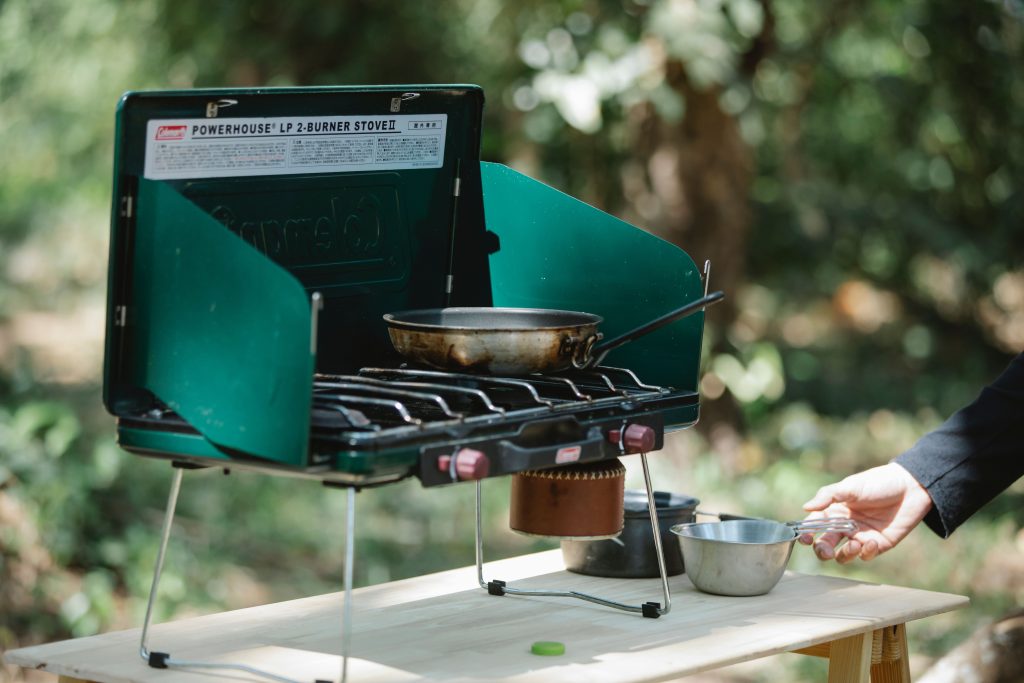
- Compact two-burner camp stove
So before you buy, ask yourself: am I carrying this on my back, packing it in the car, or using it outside an RV?
Quick Comparison: Stove Styles at a Glance
Here is a simple way to think about stove styles.
Backpacking stove: Best for hikers, solo campers, and anyone who counts ounces.
Integrated stove system: Great for boiling water fast for coffee, tea, freeze-dried meals, and soups.
Single-burner propane stove: Good for simple campsite cooking without taking up much room.
Two-burner camp stove: Better for families, couples, and campers who want eggs and coffee at the same time.
Dual-fuel stove: Useful when you want flexibility between butane and propane.
There is no one “best” stove for everyone. The best one is the stove that matches your trip style.
How to Choose the Right Compact Camping Stove
Choosing a stove is a bit like choosing shoes. A sandal, hiking boot, and running shoe can all be great, but not for the same day.
Before buying, think about these practical details.
Trip style
Backpacking? Choose small and light. Car camping? You can afford a little more size and comfort. RV camping? A stable tabletop stove may be more useful than an ultralight burner.
Group size
For one person, a tiny canister stove may be enough. For two to four people, a two-burner stove saves time and mood swings.
Cooking style
If you mostly boil water, an integrated stove works beautifully. If you want pancakes, stir-fry, eggs, rice, or simmered meals, look for better flame control.
Weather
Wind can turn a simple meal into a tiny battlefield. Wind guards, stable pot supports, and regulated burners help a lot.
Fuel Types: Propane, Butane, Isobutane, and Alcohol
Fuel can feel confusing at first, but it gets easier once you match it to your camping style.
Propane
Propane is popular for car camping because it is widely available and performs better than butane in cooler weather. Many two-burner stoves use small 16.4-ounce propane cylinders.
Butane
Butane stoves are often simple, affordable, and easy to use. However, butane does not perform as well in cold conditions.
Isobutane-propane canisters
These are common for backpacking stoves. They are lightweight, packable, and easy to attach. Many canister stove systems use this fuel blend.
Alcohol
Alcohol stoves are simple and quiet, but they are slower and not ideal where open flame restrictions apply. They also offer less flame control.
REI’s backpacking stove guidance notes that integrated canister systems are usually fastest for boiling water, while regular canister stoves can offer better simmering for actual cooking.
Best Compact Camping Stoves on Amazon
Here are five relevant Amazon products to consider. Product availability can change, so always check the latest listing before buying.
1. Coleman Triton 2-Burner Propane Stove
The Coleman Triton 2-Burner Propane Stove is a classic car camping pick. It has two adjustable burners, wind-blocking side panels, and enough room for two pans.
Features:
- 22,000 total BTUs
- Two independently adjustable burners
- Fits one 10-inch and one 12-inch pan
- Steel construction
- Built-in wind guards
Best for: Families, couples, tailgaters, and campers who want to cook more than one thing at once.
2. Jetboil Flash Portable Fast Boil Stove
The Jetboil Flash Portable Fast Boil Stove is made for speed. It is great when your main goal is hot water for coffee, tea, soup, or dehydrated meals.
Features:
- Integrated cooking cup
- One-step ignition
- Propane/isobutane burner
- Compact packed design
- Fast boiling performance
Best for: Backpackers, solo campers, coffee lovers, and minimalist campers.
3. Gas One GS-3400P Propane or Butane Stove
The Gas One GS-3400P Dual Fuel Stove offers fuel flexibility because it works with propane or butane. That makes it handy for camping and emergency preparedness.
Features:
- Dual-fuel compatibility
- Carrying case
- Automatic ignition
- Compact tabletop design
- Easy temperature control
Best for: Beginners, emergency kits, car campers, and anyone who wants fuel flexibility.
4. SOTO WindMaster Canister Stove with 4Flex
The SOTO WindMaster Canister Stove with 4Flex is a lightweight backpacking stove built for better performance in breezy conditions.
Features:
- Compact canister stove design
- 4Flex pot support
- Micro-regulator system
- Lightweight body
- Designed for windy weather
Best for: Backpackers, bikepackers, hikers, and campers who want a small stove with strong wind performance.
5. Coleman Bottletop Propane Camping Stove
The Coleman Bottletop Propane Camping Stove is a simple one-burner option that attaches to a propane cylinder. It is not fancy, but it gets the job done.
Features:
- Adjustable burner
- 16.4-ounce propane cylinder compatibility
- Compact upright design
- Simple setup
- Portable single-burner cooking
Best for: Solo campers, quick meals, day trips, and simple outdoor cooking.
How Much Heat Do You Really Need?
BTUs matter, but they are not the whole story. A stove with huge heat output sounds impressive, but if it cannot simmer rice without scorching it, you may end up eating crunchy sadness.
For basic boiling, a small backpacking stove can work well. For family camp cooking, look for stronger output and better burner control.
A good stove should do two things:
- Boil water efficiently
- Turn down low enough for real cooking
For pancakes, eggs, noodles, and sauces, simmer control matters more than raw power.
Safety Rules Every Camper Should Know
A camp stove feels harmless because it is small, but it still burns fuel. That means fire risk and carbon monoxide risk.
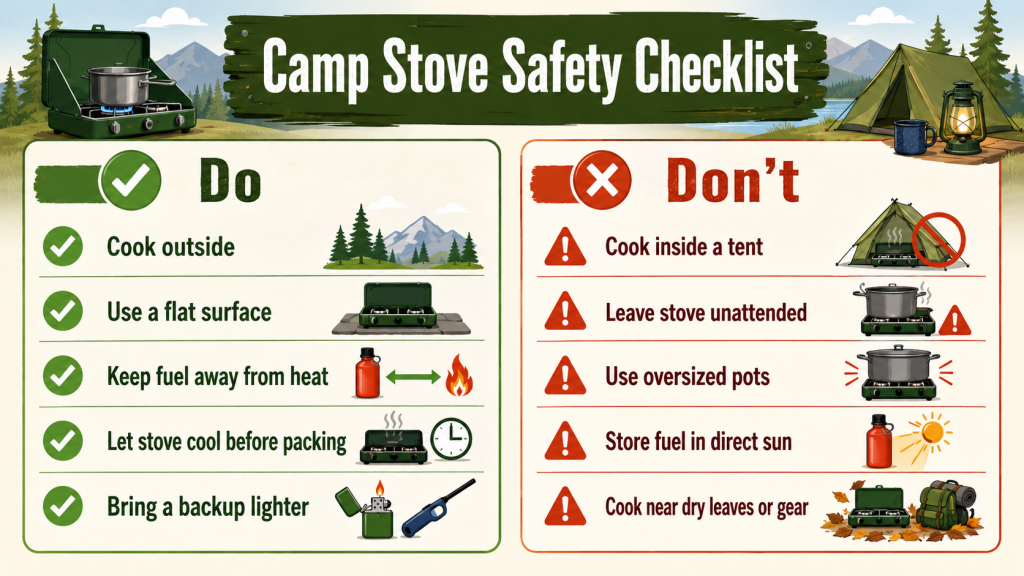
The U.S. Consumer Product Safety Commission warns that portable camping heaters, lanterns, and stoves can produce carbon monoxide in enclosed spaces. Never use a fuel-burning stove inside a tent, vehicle, camper, or enclosed shelter unless the product is specifically designed and installed for that use.
Basic stove safety tips:
- Cook outside in a ventilated area.
- The stove should be placed on a flat, solid surface.
- Move dry leaves, paper towels, and gear away from the flame.
- Pets and children should be maintained at a safe distance.
- Before packing, let the stove cool.
- Store fuel away from heat.
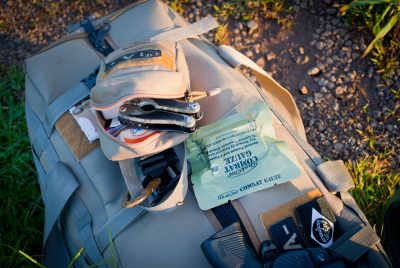
Also, pack safety basics before every trip. A stove is useful, but so is a well-stocked emergency first aid kit for camping when small cuts, burns, or blisters show up uninvited.
Research-Backed Stove Lessons Worth Knowing
A 2023 study in Wilderness & Environmental Medicine found that isobutane/propane canister stoves used inside a three-season tent could generate carbon monoxide levels above 100 ppm within minutes. The key takeaway from this camp stove carbon monoxide study is simple: do not cook inside an enclosed tent.
For buying decisions, REI’s backpacking stove selection guide is also useful because it explains how stove types differ. Integrated canister systems are often best for fast boiling, while canister stoves can be better for campers who want more cooking control.
In plain English: match the stove to the meal, and never trade ventilation for convenience.
What to Cook on a Small Camping Stove
You do not need to eat sad granola for every meal. Compact stoves can handle plenty of simple, satisfying food.
Try:
- Instant oatmeal with fruit and nuts
- Breakfast burritos
- Pasta with pesto
- Rice bowls
- Soup and grilled bread
- Ramen with vegetables and egg
- One-pan tacos
- Couscous with canned chickpeas
- Hot chocolate or spiced tea
Food is cultural, personal, and wonderfully flexible. Maybe your camp comfort meal is Filipino arroz caldo, Mexican beans and tortillas, Korean ramyeon, or a simple grilled cheese. The best camp meal is the one that makes everyone pause and say, “Okay, this was worth packing.”
Packing Tips for a Smaller Camp Kitchen
A compact stove works best when the rest of your kitchen stays simple too.
Pack:
- One pot
- One skillet
- Long-handled spoon
- Lighter or matches
- Fuel canister
- Small cutting board
- Mug or insulated cup
- Biodegradable soap
- Sponge or scrubber
- Trash bag
Here is the trick: plan meals before you pack. Otherwise, you will bring three pans, no spatula, and a heroic amount of regret.
Maintenance and Cleaning Tips
A stove lasts longer when you treat it kindly. You do not need to baby it, but a little care helps.
After each trip:
- Wipe food spills before they harden.
- Check fuel connections.
- Let everything dry before storing.
- Keep burners free of crumbs and grease.
- The stove should be kept dry.
- Inspect hoses or valves if your model uses them.
If your stove has a removable grate, clean it at home rather than trying to scrub it in the dark while mosquitoes treat you like a buffet.
Common Mistakes to Avoid
Even experienced campers make small stove mistakes. The goal is not perfection. The goal is fewer cold dinners.
Avoid these:
- Buying too small for your group
- Ignoring wind protection
- Forgetting backup ignition
- Cooking inside a tent
- Packing the wrong fuel
- Using oversized pots on tiny burners
- Leaving fuel in direct sun
- Forgetting to test the stove before the trip
A five-minute test at home can save dinner later. Future-you will be wildly grateful.
Are Compact Camping Stoves Worth It for Families?
Yes, especially for families. A compact two-burner stove can make mornings smoother because you can cook eggs while heating water. That may not sound magical until you are camping with hungry kids.
For families, prioritize:
- Stove stability
- Easy ignition
- Two burners
- Good simmer control
- Wind guards
- Simple cleanup
If you camp with toddlers, pets, or a big group, create a clear cooking zone. Think of it as the “tiny outdoor kitchen boundary.” Everyone can still hang out, but the flame gets its own space.
FAQs About Compact Camping Stoves
What are the best Compact Camping Stoves for beginners?
The best beginner options are simple propane or dual-fuel tabletop stoves. Look for easy ignition, stable pot support, and basic temperature control. The Gas One GS-3400P and Coleman Bottletop are beginner-friendly choices.
Can a small camping stove be used inside a tent?
No. A fuel-burning camping stove should never be used inside a tent. Camp stoves can produce carbon monoxide, and enclosed spaces increase the risk of poisoning, fire, and burns. Cook outside in a ventilated area.
Is propane or butane better for camping stoves?
Propane is usually better for cooler weather and general car camping. Butane is convenient and often easy to use, but it performs poorly in cold temperatures. For backpacking, isobutane-propane canisters are common.
How many burners do I need for camping?
One burner is enough for solo trips, backpacking, or simple meals. Two burners are better for couples, families, and campers who want to cook food and boil water at the same time.
What is the easiest meal to cook on a compact camping stove?
Oatmeal, ramen, soup, pasta, rice bowls, and breakfast burritos are all easy. Choose meals with short cook times, minimal cleanup, and ingredients that do not spoil quickly.