Top 10 Tent Footprints
We may earn a commission for purchases made using our links. Please see our disclosure to learn more.
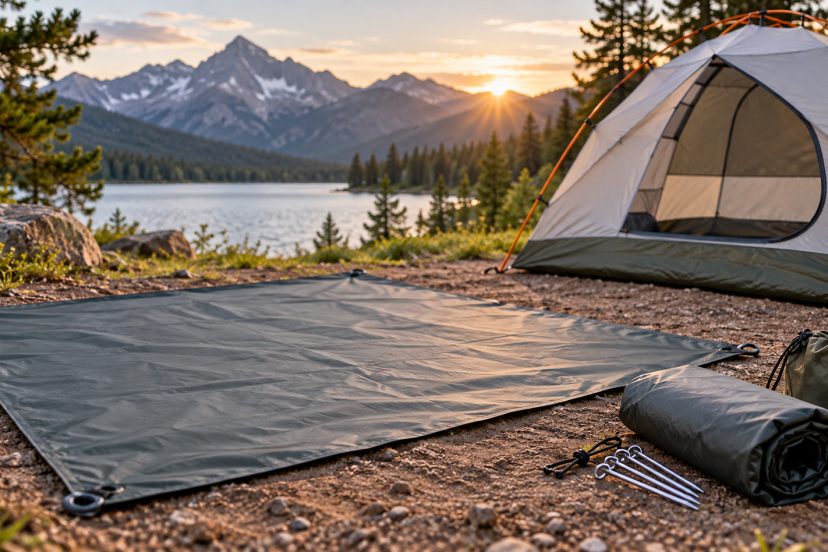
Tent Footprints add a protective layer between your tent floor and the ground, reducing abrasion, dirt, and contact with damp surfaces. They suit backpackers, car campers, families, and anyone protecting a tent floor from rough ground. The right footprint should fit beneath the tent without extending far enough to collect rainwater. I compared material, waterproofing, size, packability, compatibility, and value.
Quick Comparison
| Product | Best for | Key feature | Main limitation | Price category | Overall recommendation |
| Clostnature Heavy Duty | General use | Multiple sizes | Must size carefully | Budget | Best overall |
| REDCAMP Ultralight | Budget | PU2000 coating | Basic construction | Budget | Strong value |
| Frelaxy Footprint | Backpacking | PU3000 polyester | Thin by design | Budget | Lightweight pick |
| OneTigris Waterproof | Rugged camps | 75D nylon | Stakes not included | Mid-range | Durable compact choice |
| OneTigris Stella | Two-person use | Vestibule extension | Fit-sensitive | Mid-range | Specialized pick |
| Gold Armour | Flexible sizing | Many dimensions | Bulky in large sizes | Mid-range | Versatile choice |
| Azarxis Tarp | Versatility | Oxford fabric | Not tent-specific | Budget | Flexible option |
| HIKEMAN Tarp | Beginners | Includes stakes | One main size | Budget | Beginner-friendly |
| Amazon Basics Tarp | Family tents | Reinforced polyethylene | Heavier | Budget | Car-camping choice |
| Marmot Crane Creek 2P | Crane Creek 2P | Shaped for Crane Creek | Limited compatibility | Premium | Premium fit |
1. Clostnature Heavy Duty Tent Footprint — Best for Most Campers
Overview: Clostnature offers a straightforward groundsheet without requiring a tent-specific accessory. Its size range helps match solo, couple, or family tents.
Key Features: 210T polyester; waterproof construction; multiple sizes; storage bag; multipurpose tarp use.
Pros: Broad sizing; compact packing; multipurpose.
Cons: Universal sizing requires careful measuring.
Best For: Campers wanting a practical footprint for regular campsite use.
Verdict: Its sizing and portability make it the most balanced choice here.

2. REDCAMP Ultralight Tent Footprint — Best for Budget Buyers
Overview: REDCAMP targets campers needing inexpensive ground protection without much extra weight. It suits occasional trips and three-season camping.
Key Features: PU2000 waterproof coating; several footprint dimensions; drawstring carrying bag; lightweight design.
Pros: Affordable; easy to store; multipurpose.
Cons: Less specialized than model-matched footprints.
Best For: Beginners and value-focused campers.
Verdict: It covers the essentials while offering several size choices.

3. Frelaxy Tent Footprint — Best for Backpacking
Overview: Frelaxy prioritizes low packed weight and moisture protection. Its 190T polyester suits backpackers minimizing pack bulk.
Key Features: PU3000 polyester; ripstop construction; reinforced grommets; multiple sizes; storage bag.
Pros: Compact; lightweight; versatile.
Cons: Thin material is designed for portability, not heavy campsite abuse.
Best For: Backpackers and hikers prioritizing low bulk.
Verdict: Frelaxy balances packability with useful waterproof specifications.

4. OneTigris Waterproof Tent Footprint — Best for Rugged Compact Use
Overview: This OneTigris uses 75D nylon and reinforced stress points for a tougher compact groundsheet. Its 81 by 65 inch size suits smaller shelters.
Key Features: 75D nylon; 1500mm waterproof rating; reinforced stitching; bungee tie-out loops; stuff sack.
Pros: Compact; reinforced; multipurpose.
Cons: Tent stakes are not included.
Best For: Small camping setups on mixed terrain.
Verdict: It suits campers prioritizing durable detailing over maximum coverage.

5. OneTigris Stella 2 Person Tent Footprint — Best for Vestibule Coverage
Overview: The Stella footprint fits the OneTigris Stella 4 Season tent and some similarly sized two-person shelters. Its vestibule cloth adds protected ground space for gear.
Key Features: 75D polyester; 3000mm waterproof rating; 9.2-ounce weight; vestibule extension; carrying bag.
Pros: Extra gear area; compact; tent-focused.
Cons: Compatibility depends on your tent dimensions; stakes are not included.
Best For: Stella owners wanting vestibule ground coverage.
Verdict: Its extended shape beats plain rectangles for vestibule coverage.

6. Gold Armour Tent Footprint — Best for Size Flexibility
Overview: Gold Armour offers many dimensions for tents that do not match standard capacity labels.
Key Features: Multiple rectangular sizes; waterproof design; grommeted corners; compact ground-tarp format.
Pros: Many dimensions; versatile; multipurpose.
Cons: Larger versions take more pack space.
Best For: Campers matching unusual floor dimensions.
Verdict: Its sizing range helps when fit matters more than brand matching.

7. Azarxis Waterproof Camping Tent Tarp — Best for Multipurpose Use
Overview: Azarxis works as a footprint, picnic layer, sunshade, or rain cover. Its Oxford construction suits campers wanting one sheet for several jobs.
Key Features: 420D Oxford cloth; waterproof treatment; metal grommets; storage pouch; multiple uses.
Pros: Versatile; sturdy material; useful attachment points.
Cons: Rectangular tarp sizing may not mirror shaped tent floors.
Best For: Car campers valuing versatility.
Verdict: It earns its place through multipurpose utility.

8. HIKEMAN Outdoor Waterproof Camping Tent Tarp — Best for Beginners
Overview: HIKEMAN pairs a compact groundsheet with included stakes, simplifying a beginner’s kit. Its 140 by 210 centimeter size suits smaller tents.
Key Features: 210D Oxford ripstop polyester; PU3000 waterproof rating; grommets; four stakes; storage pouch.
Pros: Simple setup; included hardware; compact.
Cons: Limited sizing compared with multi-size brands.
Best For: Beginners with small tents.
Verdict: Included anchoring hardware simplifies first-time setup.

9. Amazon Basics Waterproof Multipurpose Camping Tarp — Best for Large Tents
Overview: This 9.5 by 11.3 foot tarp favors coverage over ultralight packing. It suits car camping, family tents, and camp utility use.
Key Features: Ripstop polyethylene; double-sided lamination; reinforced corners and edges; rust-resistant grommets; large coverage.
Pros: Large coverage; reinforced design; multipurpose.
Cons: Heavier and bulkier than purpose-built backpacking footprints.
Best For: Family and vehicle-based campers.
Verdict: Choose it when coverage matters more than low weight.

10. Marmot Crane Creek 2P Footprint — Best for Exact-Fit Protection
Overview: Marmot’s footprint is specifically sized for the Crane Creek two-person tent. Its model-specific shape reduces guesswork and exposed material.
Key Features: Polyester construction; approximately 88 by 50 inches; corner stake-outs; Crane Creek 2P compatibility.
Pros: Precise fit; simple setup; clean edges.
Cons: Limited value if you do not own the matching tent.
Best For: Marmot Crane Creek 2P owners.
Verdict: It is the premium pick for purpose-built compatibility.

How to Choose the Best Tent Footprints
Start with dimensions. A footprint should sit under the tent floor, not extend past it where exposed fabric can funnel rain underneath. Measure the actual floor shape and compare it with the manufacturer’s listed dimensions before ordering.
Next, consider material and trip style. Lightweight polyester or nylon works well when packed weight matters, while heavier Oxford fabric or polyethylene can make more sense for vehicle-based camping and rougher ground. Waterproof coatings help isolate the tent from damp soil, but campsite drainage and tent-floor condition still matter.
Also check the campsite conditions you expect most often. Smooth grass demands less abrasion resistance than gravel, desert ground, roots, or established pads that see traffic. Backpackers should pay close attention to packed weight and folded size because a footprint becomes part of every mile carried. Car campers can reasonably accept more weight for thicker fabric and broader coverage. Before packing away any groundsheet, brush off grit and let it dry. Sand left between folded layers can act like sandpaper, while trapped moisture encourages odor and mildew. Small punctures are easier to repair early than after they spread.
Attachment points are also useful. Grommets, loops, or model-specific corner tabs can reduce shifting, especially during setup. If you are learning campsite basics, a guide to setting up a tent can help you place the footprint correctly before raising the shelter.
Finally, think about versatility. A universal groundsheet may double as a picnic mat or utility tarp, while an exact-fit footprint usually provides cleaner coverage for one specific tent. Choose based on how many shelters you use and how often you carry everything on your back.
Final Verdict
Among these Tent Footprints, the Clostnature Heavy Duty model is the best overall choice because it combines practical sizing, portability, and multipurpose use. REDCAMP is the best budget option for straightforward protection, while the Marmot Crane Creek 2P Footprint is the best premium option for owners who want exact compatibility. HIKEMAN is the best beginner choice thanks to its simple format and included stakes. For specialized use, the OneTigris Stella 2 Person Tent Footprint stands out because its vestibule extension protects additional gear space.
Before buying, compare the current specifications, confirm your tent’s floor dimensions and shape, review current warranty information, and check the latest Amazon.com product details.
Frequently Asked Questions About Tent Footprints
1. Do I really need a tent footprint?
Not always, but a footprint can reduce abrasion, dirt, and direct contact with damp ground. It is especially useful on rocky, gritty, or heavily used campsites.
2. Should a footprint be bigger than the tent?
No. Ideally, it should be slightly smaller than the tent floor or fully tucked underneath so exposed edges do not collect rainwater.
3. Can I use a regular tarp instead?
Yes, provided it fits correctly and does not extend beyond the tent. Standard tarps are usually heavier and bulkier than backpacking footprints.
4. Which material is best for Tent Footprints?
There is no single winner. Nylon and polyester favor lower weight, Oxford fabric emphasizes toughness, and polyethylene works well when durability and coverage matter more than packability.
5. How should I clean and store a footprint?
Shake off dirt, wipe it with mild soap and water when needed, let it dry completely, and store it away from prolonged moisture or direct sunlight.