How To Pack Knives For Camping
We may earn a commission for purchases made using our links. Please see our disclosure to learn more.
A camp knife is easy to pack badly. One sharp edge sliding around beside cookware, food, or fingers can turn a routine unpacking job into a problem. Learning How To Pack Knives For Camping comes down to three things: covering the blade, stopping the knife from moving, and storing it where people know what they are reaching for.
This guide explains how to protect kitchen knives, fixed blades, and folding knives for car camping, backpacking, and air travel. You’ll also see practical storage accessories, current transport guidance, and a quick pre-trip check. The goal is a simple system that protects both the people handling your gear and the knives you want to keep in good condition.
How To Pack Knives For Camping Safely
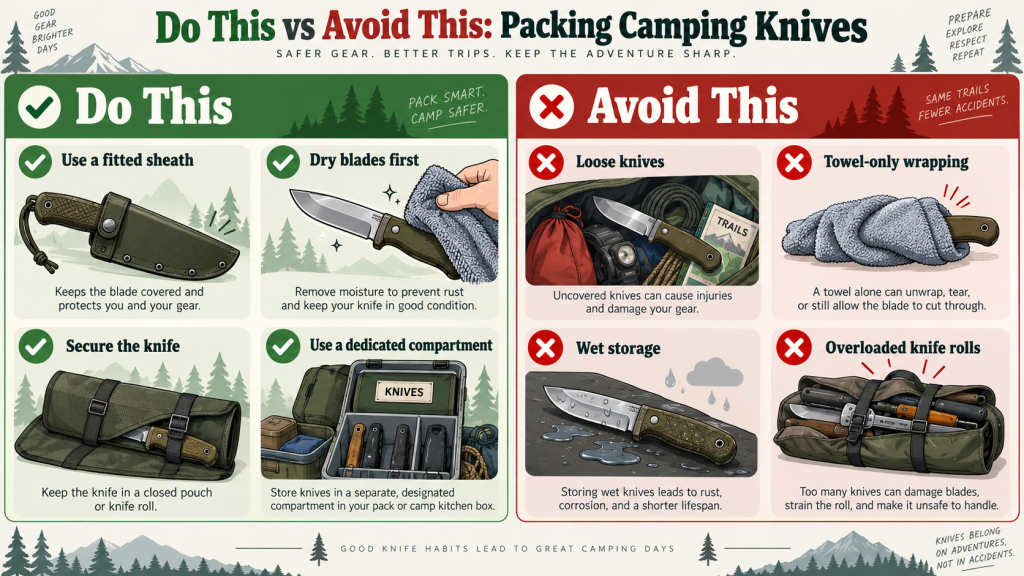
Cover the cutting edge and tip, prevent the knife from sliding out, then place it in a dedicated case or stable compartment. A fitted sheath, rigid guard, or knife roll is more dependable than a loose towel.
Before closing your gear, move the packed case gently. Nothing sharp should protrude or come free. With children at camp, store knives out of casual reach.
Start by Choosing Only the Knives You Need
Packing fewer blades reduces weight, clutter, and handling. For many trips, one general-purpose chef’s knife or camp knife plus a small utility knife is plenty.
Plan around your menu. If you are organizing the rest of your setup too, this camping gear list for beginners helps check cooking, safety, water, shelter, and other essentials. A smaller knife kit is also easier to inspect.
Clean and Dry Every Blade Before Packing
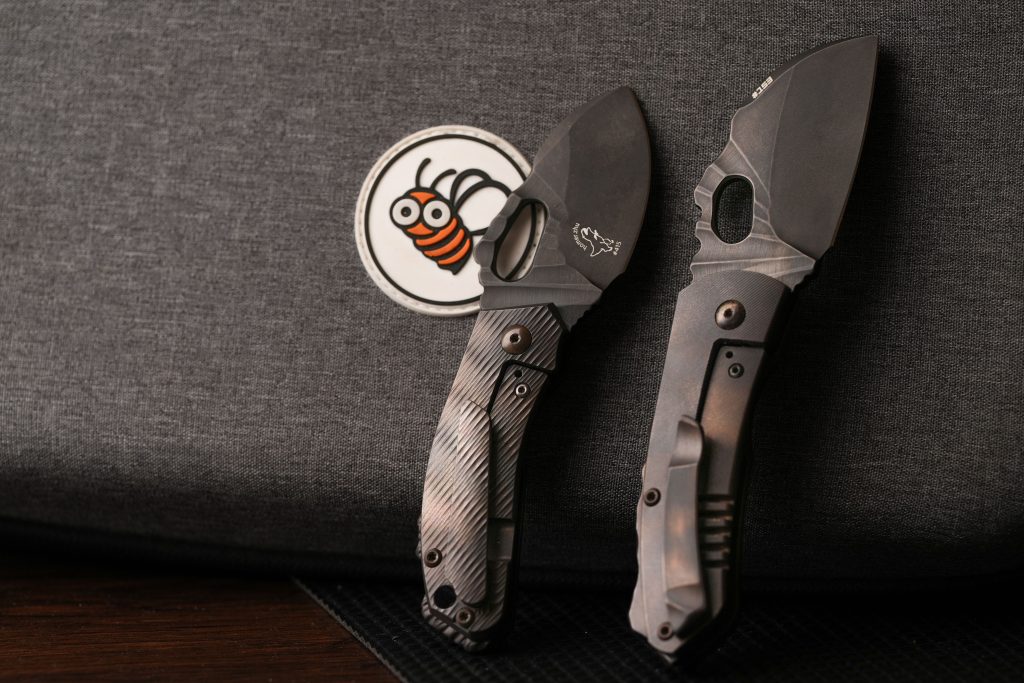
Clean and fully dry each knife before it goes into a sheath, guard, or roll. Food residue can create odors, while trapped moisture may encourage corrosion on susceptible steels or leave fabric storage damp.
Follow the maker’s care instructions and dry the blade, handle, and protector. Repeat this before leaving camp. How To Pack Knives For Camping starts with a dry tool; a guard controls contact but does not replace basic care.
Use a Sheath or Blade Guard on Every Knife
Fixed-blade outdoor knives usually travel best in a well-fitting sheath. Kitchen knives often need a rigid edge guard that covers the sharpened edge and tip.
Fit matters: a short guard leaves steel exposed, while a loose one may slide off. With a soft roll, protect individual blades unless the case provides secure, built-in blade protection. The roll organizes tools; the sheath or guard contains the edge.
How To Pack Knives For Camping in a Knife Roll
For a multi-knife camp kitchen, put clean, dry blades in correctly sized guards, then place each knife in its own slot. Arrange heavier tools so they cannot press against thinner blades.
Do not overfill the roll. Close every strap or zipper and check for movement. This approach to How To Pack Knives For Camping suits car campers who prepare full meals and want one organized package.
Where to Place Knives in Your Camping Gear
For car camping, keep the protected knife or closed roll inside a lidded kitchen box in a consistent location. Avoid mixing it with loose utensils that people grab without looking.
In a backpack, choose a stable internal spot away from water containers, inflatable gear, and the pack wall. Tell other adults where knives are stored and return them there after cooking.
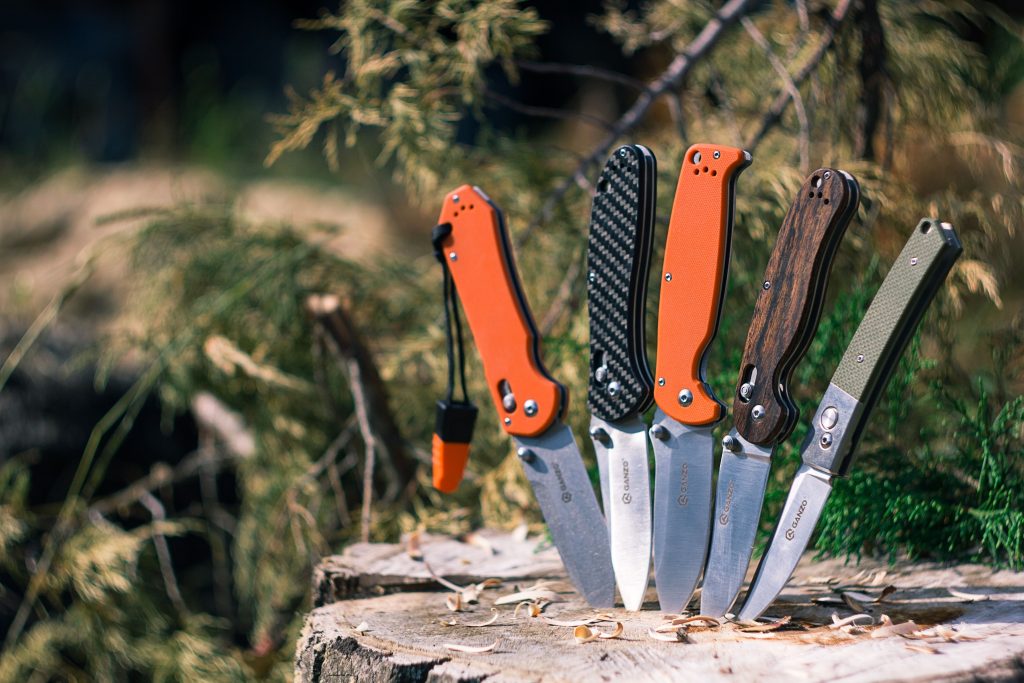
Packing Fixed-Blade, Folding, and Kitchen Knives
A fixed blade should ride in a sheath that retains it during normal movement. Check any snap, strap, or locking feature before leaving.
A folding knife should be fully closed and working properly. Leave a damaged one at home.
Kitchen knives often need more protection. For How To Pack Knives For Camping with chef’s knives, pair a rigid guard with a roll or case rather than a loose utensil pouch.
Car Camping vs Backpacking: Change Your Packing Method
Car campers can favor organization and padding because extra bulk usually matters less. A knife roll can stay inside the camp-kitchen tote and give every tool a predictable home.
Backpackers should be more selective. One versatile knife may beat a full set, but it still needs a secure sheath or guard. How To Pack Knives For Camping changes with your load: reduce tools, not edge protection.
Flying to Camp? Check Transport Rules First
For U.S. air travel, the Transportation Security Administration currently lists most knives as prohibited in carry-on baggage and permitted in checked baggage. Sharp objects in checked bags should be sheathed or securely wrapped; multi-tools with knife blades also face carry-on restrictions.
Airline, destination, and international rules may differ. When How To Pack Knives For Camping includes a flight, check permission first and packing method second. A secure sheath cannot make a prohibited carry-on acceptable.
Mistakes to Avoid When Packing Camping Knives
Do not confuse “covered” with “secure.” A towel can hide a blade while still allowing the tip to poke through, and a loose sleeve may slide off.
Also avoid wet knives, overfilled rolls, heavy cookware on soft cases, or loose blades in shared bins. Safe How To Pack Knives For Camping includes checking the rules for your current route rather than relying on the last trip.
Recommended Products for How To Pack Knives For Camping
The best accessory depends on whether you carry one kitchen knife, a compact weekend set, or a larger camp-cooking kit.
| Product | Best for | Format |
| Mercer Culinary 4-Piece Knife Guard Set | Budget protection | 4 rigid guards |
| HERSENT Chef’s Knife Roll Bag | Minimalist cooks | 4-slot canvas roll |
| Asaya 12-Pocket Chef Knife Roll Bag | Family camp kitchens | 12-pocket nylon roll |
| Ergo Chef 5 Pocket Chef Knife Case Roll Bag | Lightweight organization | 5-pocket bi-fold |
| ELIZO Leather Knife Roll Bag | Premium compact carry | 4-slot leather roll |
Mercer Culinary 4-Piece Knife Guard Set,Black
Best for: Budget-conscious campers who already have a secure bag
Mercer’s set includes four rigid guards in different sizes, covering several common kitchen-knife profiles without adding a full case. It is useful when edge protection is the priority. The guards do not organize knives by themselves, so place covered blades in a stable pouch, roll, or compartment.
HERSENT Chef’s Knife Roll Bag,Portable Travel Chef Knife Case Knife Bag Carrier Storage Bag with 4 Slots Best Gift for Pro Chef or Culinary Enthusiasts Men Women
Best for: Weekend campers carrying a small knife kit
This canvas roll provides four slots and holds knives up to 14 inches long. Its compact layout suits campers carrying a chef’s knife, utility knife, and a few essentials without a large case. The trade-off is capacity: cooks bringing several utensils or specialty blades may outgrow four slots.
Asaya Chef Knife Roll Bag – 12-Pocket Chefs Case for Kitchen Knives and Utensils, Lightweight Stain-Resistant Waxed Nylon Chef Knife Bag – Knives Not Included (Grey)
Best for: Family campers and enthusiastic outdoor cooks
The Asaya roll uses lightweight, stain-resistant nylon with 12 knife slots plus zippered storage. It suits camp meals that involve several tools rather than one basic blade. The main drawback is temptation to overpack, so on short trips, fill only the pockets your menu actually justifies.
Ergo Chef 5 Pocket Chef Knife Case Roll Bag Bi-Fold (Red) Lightweight – Durable Nylon / Polyester Blend– Perfect for the Busy Traveling Chef
Best for: Campers who want a compact zippered case
This lightweight nylon/polyester bi-fold case has five pockets and a zippered closure, adding structure to a small cooking kit. It fits neatly inside a larger kitchen tote. Because it is soft-sided, impact protection is limited, so separate blade guards remain a sensible pairing.
ELIZO Leather Knife Roll Bag Professional Chef Knife Case, Durable Knife Sheath Holder, Cooks & Culinary Tools Carrying Storage, Portable Knife Wrap – 4 Slots
Best for: Camp cooks who prefer a substantial leather roll
This compact roll-up case is made from full-grain leather and includes four separate slots. It suits cooks who value substantial materials and want a small set kept together. Leather adds weight and bulk compared with nylon, making this a better fit for car camping or short carries than ounce-conscious backpacking.
Research-Backed Knife Packing and Safety Guidance
Direct research comparing camping knife cases is limited, so practical guidance comes from injury data and established safety authorities.
A 2017 Wilderness & Environmental Medicine study reviewed 9,734 incidents recorded on National Outdoor Leadership School expeditions from 1984 through 2012. It found 2,151 soft-tissue-related incidents, or 22%; 301 were associated with camping and 205 with cooking. The study does not isolate knife injuries, but it supports taking wound prevention seriously outdoors.
WorkSafeBC’s knife-safety guidance recommends storing knives in a rack, block, or knife bag and using guards in a bag. Though written for commercial kitchens, the containment principle transfers well to camp cooking.
The current TSA prohibited-items guidance says most knives are not allowed in carry-on bags and that sharp objects in checked baggage should be sheathed or securely wrapped.
A Simple Pre-Trip Knife Packing Checklist
Before leaving, run through this short check:
- Bring only the knives your menu requires.
- Clean and fully dry every blade.
- Cover each edge and tip with a fitted sheath or guard.
- Confirm nothing sharp can slide free.
- Secure knives in a roll, case, or dedicated compartment.
- Keep them away from frequently grabbed gear.
- Tell other adults where they are stored.
- Check destination and transportation rules.
Once this becomes routine, How To Pack Knives For Camping stops feeling complicated. The goal is to remove uncertainty before anyone reaches into the gear.
FAQs About How To Pack Knives For Camping
Is wrapping a camping knife in a towel a safe alternative to using a sheath?
A towel adds padding but is not a dependable primary cover because a sharp edge or tip can shift through fabric. Use a fitted sheath or rigid guard first. For extra cushioning, wrap the protected knife afterward so the fabric absorbs bumps without having to contain the cutting edge.
Should camping knives go in a backpack or a separate kitchen box?
For car camping, a dedicated kitchen box keeps knives with cooking gear in one known compartment. In a backpack, use a stable internal location where the sheath cannot slide off or rub against fragile items. In either setup, avoid loose exterior pockets or mixed utensil piles.
Is it safe to pack a folding knife without a sheath?
A folding knife can travel fully closed if its mechanism holds the blade shut and applicable rules allow it. Keep it in a defined pouch or compartment rather than letting it rattle loose. If the lock, pivot, or handle is damaged, leave it home until repaired or replaced.
How should I pack kitchen knives for camping?
For How To Pack Knives For Camping with kitchen knives, use a correctly sized guard on each blade, then place them in a roll or dedicated case. Keep the case stable inside your camp-kitchen container. Clean and dry the knives first so moisture or food residue is not trapped.
Are camping knives allowed when traveling by plane?
In the United States, TSA currently prohibits most knives in carry-ons but permits them in checked baggage when properly packed; sharp items should be sheathed or securely wrapped. International rules, local laws, and airline policies may differ, so check current requirements before departure, especially when crossing borders.
Final Recommendation: How To Pack Knives For Camping
The best approach to How To Pack Knives For Camping is simple: bring only what you need, cover every edge, prevent movement, and give the knives one predictable storage place. A camper carrying one or two kitchen knives may only need the Mercer Culinary guards plus a secure pouch, while a family camp cook may prefer the organization of the Asaya 12-pocket roll.
Match the storage system to the trip. Car campers can choose a roomier case; backpackers should keep the kit lean without sacrificing blade coverage. If flying or crossing jurisdictions, verify current rules before packing. Choose a setup where nobody has to guess where the blade is or reach past an exposed edge to find it.