The Ultimate Guide to Camping Meal Prep For A Week
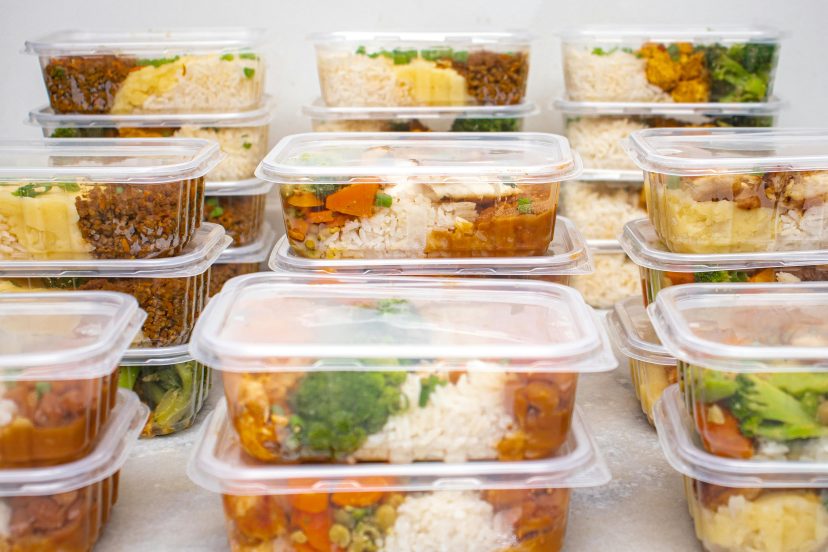
We may earn a commission for purchases made using our links. Please see our disclosure to learn more.
Camping always sounds peaceful when you picture it from home. Fresh air. A quiet morning by the trees. Coffee by the fire. Maybe even a little birdsong if nature is feeling generous.
Then dinner rolls around, and suddenly you’re standing over a cooler with wet ice, mystery containers, and a pack of chicken that is somehow frozen in the middle and suspicious around the edges.
That is exactly why Camping Meal Prep For A Week is worth planning before you leave. You do not need fancy camp meals or perfect little containers lined up like a cooking show. You just need food that is easy to pack, easy to cook, and safe to eat after a few days outdoors.
In this guide, you’ll learn how to plan a full week of camping meals, prep ingredients at home, pack your cooler the smart way, choose make-ahead camping meals, and avoid the little food mistakes that can turn a relaxing trip into a hangry wilderness negotiation.
Affiliate note: This article includes product recommendations that may support affiliate content.
Why Camping Meal Prep For A Week Makes Your Trip Easier
Camping Meal Prep For A Week is really about giving yourself breathing room.
Because once you’re at the campsite, you probably do not want to spend every evening washing vegetables in a tiny basin, hunting for the salt, or wondering what everyone is supposed to eat after a long hike.
When you plan your meals ahead, camp life feels calmer. You waste less food, spend less money on last-minute snacks, and avoid that classic “let’s just eat crackers for dinner” moment.
A little prep gives you:
- Faster breakfasts
- Easier lunches
- Better dinners
- Less cooler chaos
- Fewer dishes
- Fewer spoiled ingredients
- More time to actually enjoy being outside
Think of it like setting up your tent before dark. It is not glamorous, but future-you will be very pleased.
Start With the Way You Camp
Before you build your camping meal plan, think about your setup. A family in an RV will prep differently from two friends tent camping beside a lake.
Car Camping
Car camping gives you the most flexibility. You can bring a good cooler, food bins, a camp stove, grill tools, and heavier ingredients. This is the easiest style for a full week of camping food prep.
You can pack things like chili, marinated meat, pancake mix, chopped vegetables, pasta salad, and snack boxes without worrying too much about weight.
RV Camping
RV camping makes meal prep even easier because you may have a small fridge, freezer, sink, and cooking space. You can prep more “home-style” meals like casseroles, breakfast burritos, rice bowls, soups, and reheatable leftovers.
Tent Camping
Tent camping needs simpler meals. Go for foods that cook quickly, pack tightly, and do not require five pots and a heroic cleanup effort.
Wraps, foil packets, oatmeal, grilled meats, pasta, and one-pan meals work beautifully here.
Build a 7-Day Camping Meal Plan That Actually Works
A good weekly camping menu should feel flexible, not fussy.
You want enough variety so no one gets bored, but not so many ingredients that your cooler becomes a puzzle box. The goal is simple: know what you’re eating before everyone gets tired, cold, or wildly dramatic about dinner.
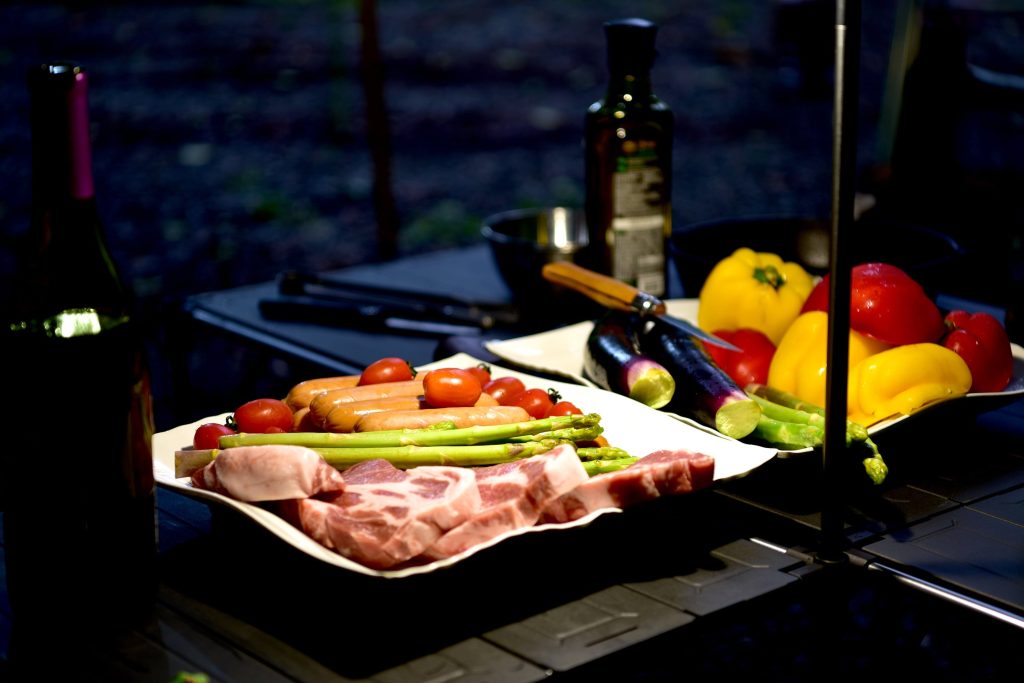
Use This Simple Daily Formula
For each camping day, plan:
- 1 easy breakfast
- 1 no-cook or low-cook lunch
- 1 warm dinner
- 2 snacks
- 1 backup meal
That backup meal is not optional. Weather changes. Kids get picky. Someone forgets the buns. A backup meal is your quiet little safety net.
Good backup meals include instant noodles, canned soup, shelf-stable pasta, tortillas with peanut butter, or a freeze-dried meal.
Choose Make-Ahead Camping Meals That Travel Well
The best make-ahead camping meals are sturdy. They do not wilt, leak, crumble, or demand too much attention.
Good options include:
- Breakfast burritos
- Overnight oats
- Pasta salad
- Chili
- Taco meat
- Marinated chicken
- Foil packet vegetables
- Cooked rice
- Pancake mix in a bottle
- Snack boxes
- Wrap fillings
Try to avoid meals that are too delicate. Leafy salads, creamy seafood dishes, and anything that turns sad after one cooler shuffle are better left at home.
Camping food does not need to be boring. It just needs to be realistic.
Prep Ingredients at Home Before You Pack
Your home kitchen is your best campsite helper. You have running water, sharp knives, counter space, a real sink, and lighting that does not come from a headlamp.
Do as much as you can before you leave.
Easy Prep Tasks
Before your trip, you can:
- Chop onions, peppers, carrots, and potatoes
- Cook rice, pasta, or quinoa
- Portion sauces and dressings
- Freeze meat in marinade
- Pre-mix pancake dry ingredients
- Wash and dry fruit
- Make breakfast burritos
- Portion snacks into bags or containers
This turns camp cooking into assembling and heating, not starting from scratch while mosquitoes treat you like a buffet.
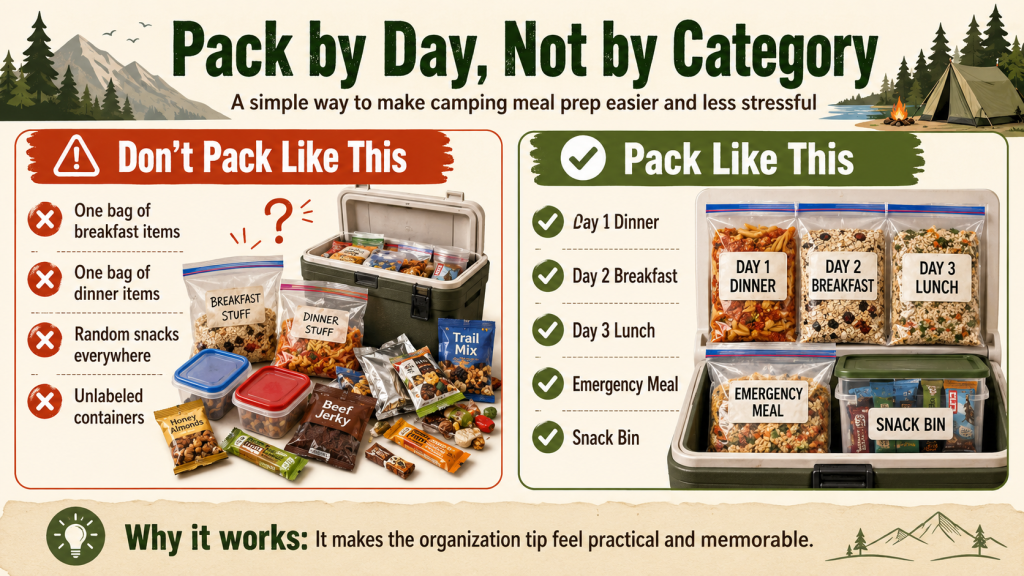
Pack Food by Day, Not by Category
This is one of the simplest camping meal prep tips, but it makes a big difference.
Instead of packing one giant bag of “breakfast stuff” and another bag of “dinner stuff,” group meals by day.
Label bags or containers like:
- Day 1 Dinner
- Day 2 Breakfast
- Day 3 Lunch
- Snacks
- Emergency Meal
That way, you are not digging through the cooler every night trying to remember where the taco cheese went.
It also helps you eat the most perishable foods first.
Keep Camping Food Safe From the Start
Food safety matters more when you are outdoors because heat, dirty hands, and cooler temperature changes can sneak up quickly.
Food should be kept at 40°F or lower. Raw meat should not be near ready-to-eat food. Use a food thermometer when cooking meat. And if something smells strange or has been sitting out too long, do not try to “camp logic” your way into eating it.
Quick Food Safety Rules
- Keep cold foods cold
- Keep raw meat sealed and separate
- Use clean utensils
- Pack soap or hand wipes
- Store leftovers quickly
- Use a thermometer for meat
- When in doubt, toss it
No camping meal is worth a stomach disaster in the woods.
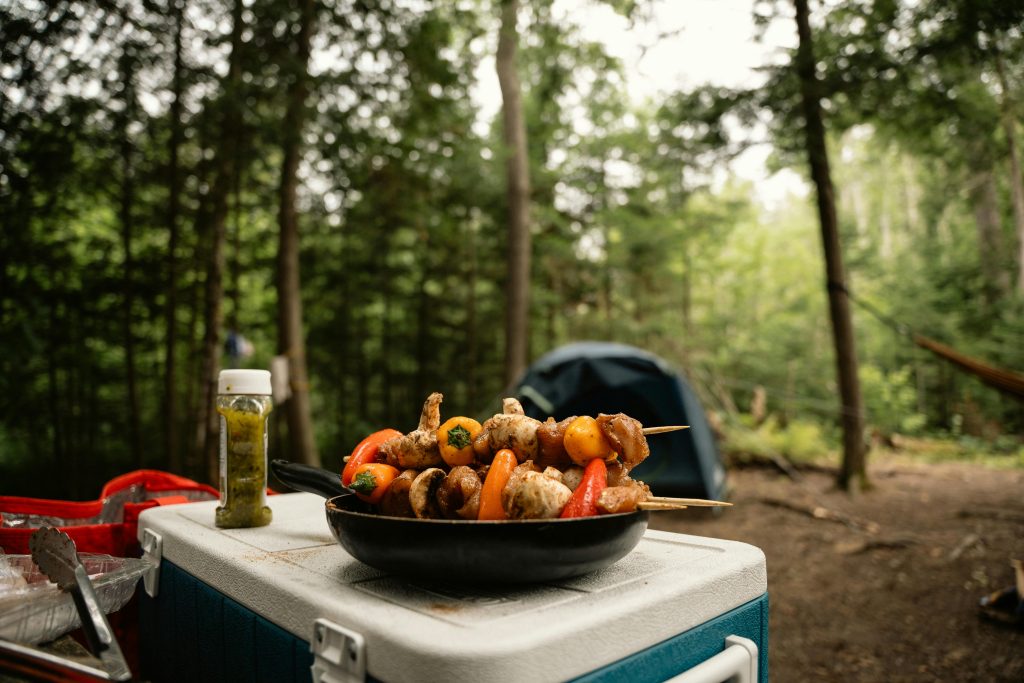
Set Up Your Cooler Like a Pro
For Camping Meal Prep For A Week, your cooler is basically your outdoor fridge. Treat it like one.
If possible, bring two coolers: one for drinks and one for food. The drink cooler gets opened all day, which lets cold air escape. Try to keep your food cooler closed as much as you can.
Best Cooler Layering Method
Pack your food cooler in this order:
- Block ice or frozen water jugs on the bottom
- Frozen meat and meals
- Dairy, eggs, and delicate foods
- Ready-to-eat meals
- Snacks and condiments on top
Frozen water jugs are especially helpful because they keep food cold and give you drinking water once they melt. Very practical. Very camping-adult of you.
Easy 7-Day Camping Meal Prep Menu
Here’s a simple weekly camping meal plan you can adjust for couples, families, solo campers, or groups.
Day 1
Breakfast: Eat at home or bring muffins
Lunch: Turkey wraps
Dinner: Pre-made chili with cornbread
Day 2
Breakfast: Overnight oats
Lunch: Pasta salad
Dinner: Grilled chicken with rice and vegetables
Day 3
Breakfast: Breakfast burritos
Lunch: Hummus, pita, cucumbers, and cheese
Dinner: Camp tacos
Day 4
Breakfast: Pancakes and fruit
Lunch: Peanut butter banana wraps
Dinner: Foil packet sausage and potatoes
Day 5
Breakfast: Yogurt and granola
Lunch: Chicken salad sandwiches
Dinner: One-pot pasta
Day 6
Breakfast: Egg scramble
Lunch: Leftover tacos or wraps
Dinner: Burgers and grilled corn
Day 7
Breakfast: Instant oatmeal
Lunch: Snack boxes
Dinner: Backup soup, ramen, or freezer meal
The beauty of this plan is that it repeats ingredients without feeling repetitive. Tortillas can become wraps, tacos, or breakfast burritos. Rice can go with chicken one night and tacos the next. That is the kind of quiet efficiency camping meals need.
Camp Cooking Tips That Save Time and Dishes
Camp cooking is not about showing off. It is about getting good food on the table before everyone starts circling the snack bag.
Bring fewer tools, but bring the right ones.
A sharp knife, cutting board, tongs, spatula, pot, pan, lighter, foil, and reliable heat source can handle most meals.
If grilling is part of your plan, a compact setup can make dinners much easier. This guide to choosing a portable camping grill for easy outdoor meals is a helpful read if you want faster camp dinners without depending on the fire pit every night.
Product Section: 5 Amazon Picks for Camping Meal Prep
The right gear can make weekly camping food prep much easier. You do not need to buy every gadget under the sun, but a few practical tools can help keep meals organized, cold, and easier to cook.
Rubbermaid Brilliance Food Storage Containers, 14 Piece Plastic Containers with Lids
These clear containers are great for chopped vegetables, cooked rice, pasta salad, fruit, and leftovers. Since they are see-through, you can quickly find what you need without opening every lid in the cooler.
They are also useful for keeping prepped meals neat instead of letting everything slide around in loose bags.
Features: Leakproof design, clear containers, stackable shape.
Best for: Families, car campers, and anyone who likes organized meal prep.
Coleman Chiller 48qt Insulated Portable Cooler
A dependable cooler is one of the most important pieces of camping meal prep gear. This Coleman cooler gives you enough room for several days of food and drinks, especially for car camping or family trips.
It works well for storing frozen meals, dairy, meats, and drinks when you need a simple, no-fuss cooler.
Features: 48-quart size, portable handles, insulated body.
Best for: Car camping, weekend trips, and longer family camping meals.
ThermoPro TP19H Digital Meat Thermometer
A meat thermometer may not feel exciting, but it is one of those tools you’ll be glad you packed. It helps you cook chicken, burgers, sausage, and steak safely, especially when campfire heat is uneven.
No one wants to guess if chicken is done by squinting at it under a flashlight.
Features: Backlit display, folding probe, motion sensing.
Best for: Campers who grill meat, cook over a stove, or want safer camp meals.
Coleman Triton 2-Burner Propane Camping Stove
This two-burner stove is helpful when you want to cook more than one thing at once. You can make eggs on one side and warm tortillas or coffee water on the other.
It is especially useful for week-long camping trips because it gives you a dependable cooking setup even when the campfire is not cooperating.
Features: Two burners, wind guards, adjustable heat.
Best for: Campers who want real breakfasts, warm dinners, and less campfire stress.
OXO Good Grips Prep & Go Leakproof 4.1 Cup Divided Container
This divided container is handy for snack boxes, kid lunches, chopped fruit, crackers, cheese, and small no-cook meals.
It is especially nice when you want to keep foods separate instead of letting everything become one mysterious trail mix situation.
Features: Divided compartments, leakproof seal, easy cleaning.
Best for: Kids’ lunches, snack prep, and portioned camping meals.
Research-Backed Food Safety Tips for Campers
Good Camping Meal Prep For A Week should make your trip easier, but it should also keep your food safe.
A peer-reviewed study on the hidden food-safety habits of campers found that cross-contamination and time-temperature control are key issues during camping trips. In normal camp language, that means raw meat, cooler temperature, and clean hands matter a lot.
For practical guidance, the FDA’s guide to safe outdoor eating without the stomach drama recommends keeping cold foods at 40°F or below and not leaving perishable food out too long. It is a simple reminder: prep smart, pack cold, cook fully, and enjoy your trip without turning dinner into a gamble.
Common Camping Meal Prep Mistakes to Avoid
Even people who camp often make food mistakes. It happens. You’re packing clothes, gear, bug spray, sleeping bags, flashlights, and somehow a spatula becomes the thing everyone forgets.
Watch out for these common mistakes:
- Packing too many fresh ingredients
- Forgetting backup meals
- Bringing meals that need too much prep
- Using only one cooler for everything
- Skipping labels
- Packing raw meat above ready-to-eat food
- Forgetting a can opener
- Planning meals your group does not actually like
That last one matters. If your family hates oatmeal at home, they probably will not suddenly love it beside a tent.
Plan meals people will actually eat.
Camping Meal Prep FAQs
How do you do Camping Meal Prep For A Week without food spoiling?
Use frozen meals, block ice, airtight containers, and a reliable cooler. Pack raw meat separately and eat the most perishable meals early in the trip. Whenever possible, keep cold items below 40°F or lower.
What are the best make-ahead camping meals for families?
Breakfast burritos, chili, taco meat, pasta salad, foil packet meals, overnight oats, and grilled chicken bowls are all great options. They are easy to prep, easy to pack, and simple to adjust for picky eaters.
How much food should I pack for 7 days of camping?
Plan three meals and two snacks per person per day. Then add one or two backup meals. Extra tortillas, nut butter, trail mix, fruit, soup, and shelf-stable snacks are always helpful.
Can I meal prep camping food and freeze it?
Yes. Freezing meals is one of the easiest ways to prep for a longer camping trip. Chili, breakfast burritos, cooked rice, taco meat, soup, stew, and marinated meat all freeze well and help keep your cooler colder.
What foods should I avoid when camping for a week?
Avoid foods that spoil quickly, leak easily, or need delicate handling. Creamy seafood dishes, fragile greens, soft desserts, and meals that need lots of fresh ingredients are usually harder to manage on a week-long trip.
Conclusion: Make Camp Meals Feel Easy, Not Exhausting
Camping Meal Prep For A Week gives you more time for the parts of camping you actually came for: slow mornings, fresh air, long walks, campfire stories, and that peaceful moment when dinner is already handled.
Start simple. Plan your meals by day. Prep what you can at home. Pack your cooler carefully. Choose meals that fit your camping style, not someone else’s perfect outdoor lifestyle video.
You do not need flawless camp food. You just need meals that are safe, satisfying, and easy enough to make when everyone is tired.
And honestly, a warm bowl of chili under the trees can feel pretty close to luxury when you planned ahead.