5 Essentials You Should Always Have in Your Camping First Aid Kit
We may earn a commission for purchases made using our links. Please see our disclosure to learn more.
A great camping trip can go from “this is peaceful” to “where are the tweezers?” in about eight seconds. One minute you’re roasting marshmallows, and the next someone has a splinter, a scraped knee, a bug bite, or a mystery blister that suddenly has main-character energy.
That’s why a well-packed Camping First Aid Kit is not just another thing to toss in your backpack. It is part of your comfort, confidence, and campsite safety. Whether you’re camping with kids, friends, your partner, pets, or just your own adventurous soul, the right kit helps you handle small problems before they become big ones.
In this guide, you’ll learn the five essentials every camper should pack, how to customize your kit, what Amazon products are worth considering, and how expert safety guidance supports smarter outdoor preparation.
Why a Camping First Aid Kit Matters More Than You Think
Camping is beautiful because it pulls you away from everyday convenience. Unfortunately, that also means you are farther from pharmacies, urgent care clinics, clean running water, and the drawer where you normally keep bandages.
A camping first aid kit gives you a simple way to respond quickly to common outdoor issues like:
- Cuts and scrapes
- Burns from cooking or campfires
- Blisters from hiking
- Bug bites and stings
- Sprains and strains
- Headaches, allergies, or stomach discomfort
Think of it like your campsite’s quiet little safety net. You hope you never need it, but when you do, you’ll be very glad it came along.
The 5 Essentials Every Camping First Aid Kit Needs
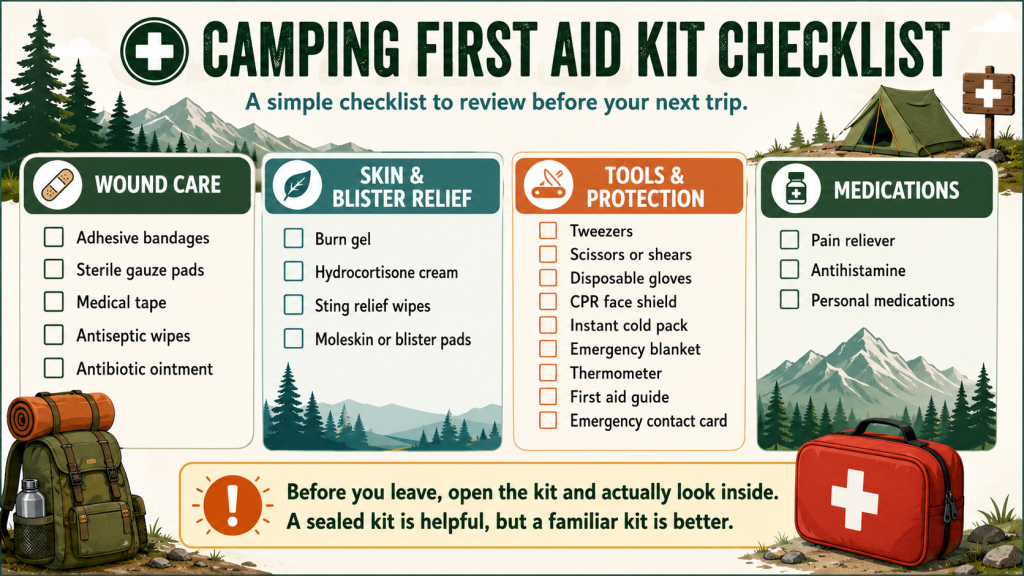
Before we get fancy, let’s keep this grounded. A good outdoor first aid kit should cover five basic needs: wound care, medication, skin relief, tools, and emergency comfort.
Those five categories handle most minor camping mishaps. Of course, they do not replace medical care or proper wilderness first aid training, but they can help you manage the “ouch” moments until you get proper help.
The five core categories
Your kit should include:
- Wound care supplies
- Pain, fever, and allergy medications
- Burn, bite, and skin relief items
- First aid tools
- Emergency comfort and safety gear
If your current kit is just three old bandages and a mystery ointment from 2019, no shame. We’ve all had that drawer. But it is time for a glow-up.
Essential 1: Wound Care Supplies
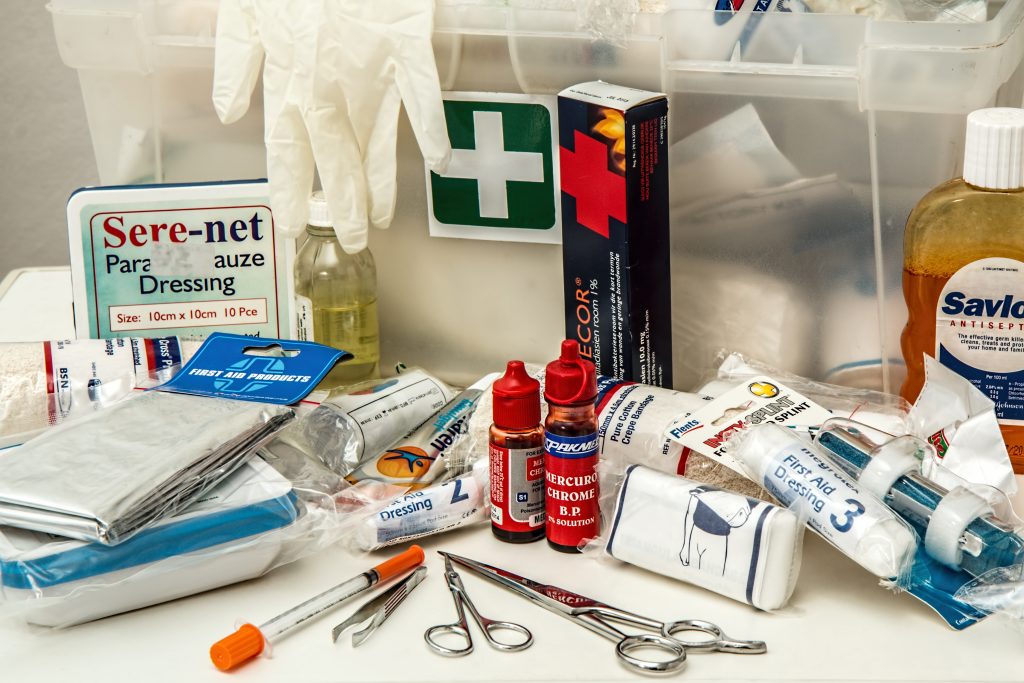
Cuts, scrapes, and small punctures are some of the most common camping injuries. Even a small scrape can get irritated when dirt, sweat, lake water, or campfire ash joins the party.
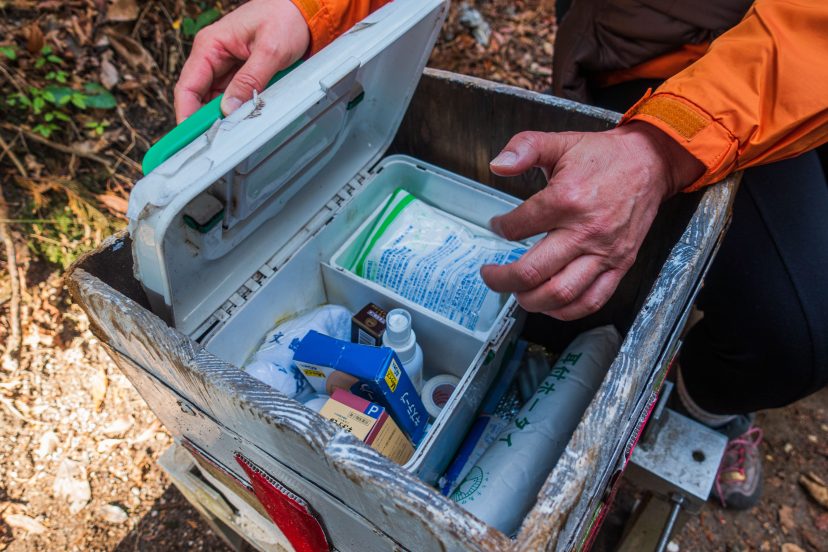
Your first aid supplies for camping should include:
- Adhesive bandages in several sizes
- Sterile gauze pads
- Medical tape
- Antiseptic wipes
- Antibiotic ointment packets
- Nonstick wound dressings
- Elastic wrap bandage
- Butterfly closures or wound closure strips
The Red Cross camping first aid kit checklist recommends basics like adhesive bandages, antibacterial ointment, antiseptic wipes, gauze pads, medical tape, gloves, scissors, and tweezers.
Practical tip
Pack more bandages than you think you need. Tiny cuts seem to multiply at camp, especially with kids, fishing gear, cooking tools, and rocky trails.
Essential 2: Pain, Fever, and Allergy Medications
A camping emergency kit should include basic over-the-counter medications, but always pack them according to your personal health needs and your doctor’s advice.
Helpful options may include:
- Ibuprofen or acetaminophen
- Antihistamine tablets
- Anti-diarrheal medication
- Antacid tablets
- Motion sickness tablets
- Prescription medications
- Electrolyte packets
Keep medicine in its original packaging when possible. It helps with dosage instructions, expiration dates, and quick identification.
The CDC travel health kit guidance notes that a personal medical kit should reflect the traveler’s health history and the type of trip. That applies perfectly to camping too. A family car-camping weekend and a remote backpacking route do not need the same kit.
Essential 3: Burn, Bite, and Skin Relief
Camping is basically an invitation for your skin to meet new experiences: sun, bugs, plants, smoke, heat, cold, and maybe that one suspicious picnic table.
Pack items for skin comfort, including:
- Burn gel or aloe vera
- Hydrocortisone cream
- Sting relief wipes
- Insect bite treatment
- Sunscreen
- Lip balm with SPF
- Moleskin for blisters
- After-bite swabs
Burn care matters around camp stoves, fire pits, lanterns, and hot cookware. If you’re also working on safer nighttime setup, this guide to safe tent lighting ideas can help you choose better lighting for your campsite.
Blister care matters
Blisters can turn a lovely hike into a tiny foot-based rebellion. Moleskin, blister pads, and clean socks can save the day.
Essential 4: Tools That Make Treatment Easier
A kit without tools is like a kitchen without a knife. You may survive, but everything gets weirdly difficult.
Add these first aid tools:
- Tweezers
- Small scissors or trauma shears
- Disposable gloves
- CPR face shield
- Digital thermometer
- Safety pins
- Small flashlight or headlamp
- Instant cold pack
- First aid instruction booklet
Tweezers are especially useful for splinters, ticks, and cactus spines. Gloves help protect both the injured person and the helper. A first aid guide is also helpful when panic makes your brain forget how to be a brain.
Essential 5: Emergency Comfort and Safety Items
Some first aid situations are not just about bandages. Cold, shock, panic, and exposure can make an injury feel worse.
Consider adding:
- Emergency blanket
- Hand warmers
- Duct tape
- Whistle
- Waterproof notepad
- Pencil
- Small mirror
- Emergency contact card
An emergency blanket weighs almost nothing but can help keep someone warm if they are wet, chilled, frightened, or waiting for help.
The National Park Service includes first aid among its “Ten Essentials” for outdoor recreation, along with navigation, illumination, shelter, food, water, and other safety basics.
How to Customize Your Kit for Your Camping Trip
The best Camping First Aid Kit is not one-size-fits-all. It should match where you’re going, who is coming, and how far you’ll be from help.
Ask yourself:
- Are we camping near the car or hiking miles in?
- Are kids, older adults, or pets coming?
- Does anyone have allergies or medical conditions?
- Will we swim, hike, cook over fire, or use tools?
- Is the area known for ticks, mosquitoes, heat, or cold?
A backpacking medical kit should be lighter and more compact. A family campsite kit can be larger and more complete. A survival first aid kit for remote trips may need more serious trauma supplies and training.
How to Pack and Organize Your Kit
A messy first aid kit is stressful when someone is bleeding or crying. Organization matters.
Use a waterproof pouch or hard case with labeled sections. Keep wound care in one area, medicine in another, and tools in a separate pocket.
Smart packing ideas
- Use small zip bags for categories
- Label medications clearly
- Keep gloves near the top
- Put emergency items where they are easy to grab
- Check expiration dates before every trip
Store the kit in the same place every time. Tell everyone where it is. A hidden first aid kit is just a scavenger hunt with higher stakes.
Research-Backed First Aid Guidance for Campers
Outdoor first aid advice should not be based on vibes alone. Reliable organizations and medical experts help shape safer decisions.
The Red Cross recommends a camping kit with wound care, antiseptics, gloves, emergency tools, burn gel, CPR masks, gauze, tape, splints, saline, and an emergency blanket. That broad list is helpful because camping injuries can range from tiny cuts to more serious situations.
The Wilderness Medical Society has also published wilderness wound management guidelines for caring for wounds in remote or austere environments. Their expert review emphasizes evidence-based approaches to wound management when professional care may be delayed.
The takeaway is simple: pack for common injuries, but respect the outdoors enough to prepare for delays, distance, and uncertainty.
5 Amazon Camping First Aid Kit Products to Consider
Below are five product options that can fit different camping styles. Always check the current product details before buying, since contents can change.
1. Adventure Medical Kits Mountain Series Medical Kit – Hiker
This compact hiking first aid kit is designed for two people for two days, making it useful for short camping trips, day hikes, and weekend adventures.
Features:
- Organized medical supplies
- Trauma pad
- Medications
- Guide book
- Lightweight pouch
Best for: Couples, solo campers, short hikes, and minimalist campers who still want practical coverage.
2. Surviveware 119 Pcs Comprehensive Premium Survival First Aid Kit
Travel, camping equipment, household necessities, and outdoor emergencies are all covered by this survival first aid pack. It is a good middle-ground option for campers who want more than a tiny pouch.
Features:
- 119 pieces
- Compact carrying case
- Emergency supplies
- HSA/FSA eligible listing
- Useful for home and outdoors
Best for: Weekend campers, families, road trips, and people who want one kit for multiple uses.
3. Swiss Safe 2-in-1 First Aid Kit for Car, Travel & Home – 348 Pcs
This larger hardcase kit includes a bonus mini kit, which makes it handy for car camping. You can keep the big kit at camp and carry the smaller one on walks or short hikes.
Features:
- 348 pieces
- Large hardcase
- Bonus mini kit
- Supplies for home, car, travel, and camping
- Organized compartments
Best for: Families, group camping, RV trips, car camping, and campsite base stations.
4. Protect Life Doctor Developed Mini First Aid Kit, 100 Piece
This smaller waterproof-style kit is designed for camping, hiking, boating, travel, and car use. It includes basics for cuts, burns, scrapes, and outdoor emergencies.
Features:
- 100 pieces
- Compact design
- Emergency blanket
- Tourniquet
- Bandages, gauze, gloves, scissors, and wipes
Best for: Backpackers, day hikers, glove boxes, small camping bags, and emergency backup kits.
5. First Aid Only FAO-428 All-Purpose Emergency First Aid Kit
This all-purpose kit is a practical choice for campers who want a general emergency kit with bandages, gauze, gloves, antiseptic wipes, scissors, tweezers, and a cold pack.
Features:
- Soft-sided case
- Clear pockets
- Multi-use first aid supplies
- Compact storage
- Good general-purpose coverage
Best for: Beginners, casual campers, car camping, dorms, offices, and family travel.
What to Add for Kids, Pets, and Group Camping
If you camp with kids, your kit needs extra patience and extra bandages. Colorful bandages are optional, but emotionally powerful. Never underestimate the healing power of a dinosaur bandage.
For kids, consider adding:
- Child-safe medications
- Pediatric thermometer
- Extra instant cold packs
- Small comfort item
- Allergy information card
For pets, ask your vet what to pack. Many human medications are unsafe for animals, so do not guess. A pet-safe kit may include gauze, vet wrap, tweezers, a tick remover, and your pet’s medical records.
For groups, pack duplicates. One pair of gloves is not enough for a whole campsite.
First Aid Mistakes Campers Should Avoid
Even prepared campers make simple mistakes. Perfection is not the goal. It’s awareness.
Avoid these common issues:
- Packing expired medication
- Forgetting personal prescriptions
- Leaving the kit buried under gear
- Not knowing how to use what you packed
- Carrying supplies but no emergency contacts
- Assuming a store will be nearby
- Ignoring small wounds until they worsen
Also, do not pack advanced trauma tools unless someone knows how to use them. Gear without training can create false confidence.
FAQs About Camping First Aid Kits
What should be in a Camping First Aid Kit for beginners?
A beginner camping first aid kit should include bandages, gauze, antiseptic wipes, medical tape, gloves, tweezers, scissors, pain reliever, antihistamine, burn gel, blister care, and an emergency blanket. Add personal medications and any supplies specific to your group.
How big should my camping first aid kit be?
For car camping, choose a larger kit with enough supplies for everyone. For backpacking, use a compact lightweight kit and add only the essentials. A good rule is to match the kit to your group size, trip length, activities, and distance from medical help.
Do I need a different first aid kit for hiking and camping?
Sometimes, yes. A hiking kit should be lighter and easy to carry. A campsite kit can be larger and more complete. Many campers keep a main kit at camp and carry a smaller hiking first aid supplies pouch on the trail.
How often should I check my outdoor first aid kit?
Check your outdoor first aid kit before every camping trip. Replace expired medication, dried-out wipes, damaged packaging, used bandages, and missing tools. A quick five-minute check can prevent a frustrating campsite surprise.
Is a premade first aid kit enough for camping?
A premade kit is a great start, but you should customize it. Add personal prescriptions, allergy medication, blister care, emergency contacts, sunscreen, insect bite relief, and anything specific to your destination or family needs.
Conclusion
A Camping First Aid Kit is one of those things you pack with hope that you never need it. But when a scrape, burn, bite, blister, or headache shows up, it can turn a stressful moment into a manageable one.
Start with the five essentials: wound care, medications, skin relief, tools, and emergency comfort items. Then customize your kit for your people, your activities, and your destination. Camping should feel freeing, not careless. With the right preparation, you can enjoy the woods, the stars, the campfire snacks, and the little wild moments with a lot more peace of mind.
Before your next trip, take ten minutes to check your kit. Future-you, standing at a campsite with a splinter situation, will be deeply grateful.