How To Insulate a Tent For Camping
We may earn a commission for purchases made using our links. Please see our disclosure to learn more.
You know that awful moment when you crawl into your tent, zip everything up, and still feel cold sneaking in from everywhere? The floor feels like an ice tray. The walls feel damp. Your sleeping bag starts doing its best, but the rest of your setup is basically working against it.
That is why learning how to insulate a tent matters so much. A tent is not a cabin. It is more like a windbreaker for your campsite. Helpful, yes. Magical, no.
The good news is that you do not need a fancy expedition setup to sleep warmer. You just need to stop heat loss in the right places: the ground, the air gaps, the moisture, and the weak spots in your sleep system. And yes, that matters even when it is not freezing. The CDC notes that hypothermia can happen in temperatures above 40°F when your body gets chilled by rain, sweat, or cold water.
Disclosure: This article may include affiliate recommendations. If you buy through them, I may earn a small commission at no extra cost to you.
Why cold tents feel colder than the forecast
A weather app gives you air temperature. Your body, unfortunately, deals with more than that.
Cold ground pulls heat away from you. Wind steals warmth fast. Moisture makes everything feel sharper and meaner. Then condensation shows up like an uninvited guest and makes your tent feel even colder.
So when people say, “It only dropped to 45,” but they still froze all night, I believe them. Because 45 with damp socks, thin floor padding, and a drafty setup can feel a lot worse than the number suggests.
Choose the warmest campsite you can
Before you add gear, fix your location.
A smart campsite does more for cold weather camping than people think. Look for natural wind protection like trees, shrubs, rocks, or terrain folds. Avoid low spots where cold air settles overnight. Also skip soggy ground when you can, because damp earth makes everything colder and messier.
If you are camping with a group, even where you pitch your tent matters. A slightly sheltered edge beats a wide-open windy patch every time.
Think of this step as choosing the “least rude” version of the outdoors.
Put a barrier between your tent and the ground
If you want to keep a tent warm, start below it.
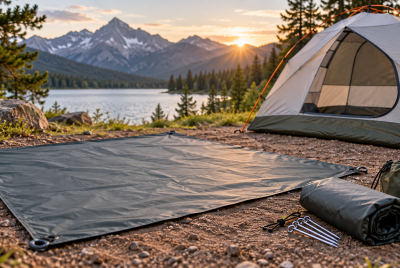
Use a footprint, tarp, or groundsheet under the tent to block moisture from coming up through the ground. This will not create cozy cabin heat, but it will help keep the base of your setup drier, which matters a lot in cold, wet conditions.
Make sure the barrier fits the tent shape. If extra tarp sticks out, rain can collect underneath and make the problem worse. That is camping’s version of trying to mop the floor while the sink is still overflowing.
Insulate the tent floor before anything else
This is the biggest comfort upgrade for most people.
The tent floor is where heat disappears fast, especially when the ground is cold. So add layers inside the tent: foam mats, rugs, blankets, or closed-cell pads under your sleeping area. Even a simple fleece blanket between your tent floor and your sleep setup can make the space feel less harsh.
If you only have one place to improve, improve the floor.
A lot of campers spend money on thicker jackets while still sleeping over what feels like a giant refrigerated slab. That is backwards. Your body compresses insulation underneath you, so ground protection matters more than many people expect.
Reduce the empty air space inside the tent
A larger tent gives cold air more room to hang around.
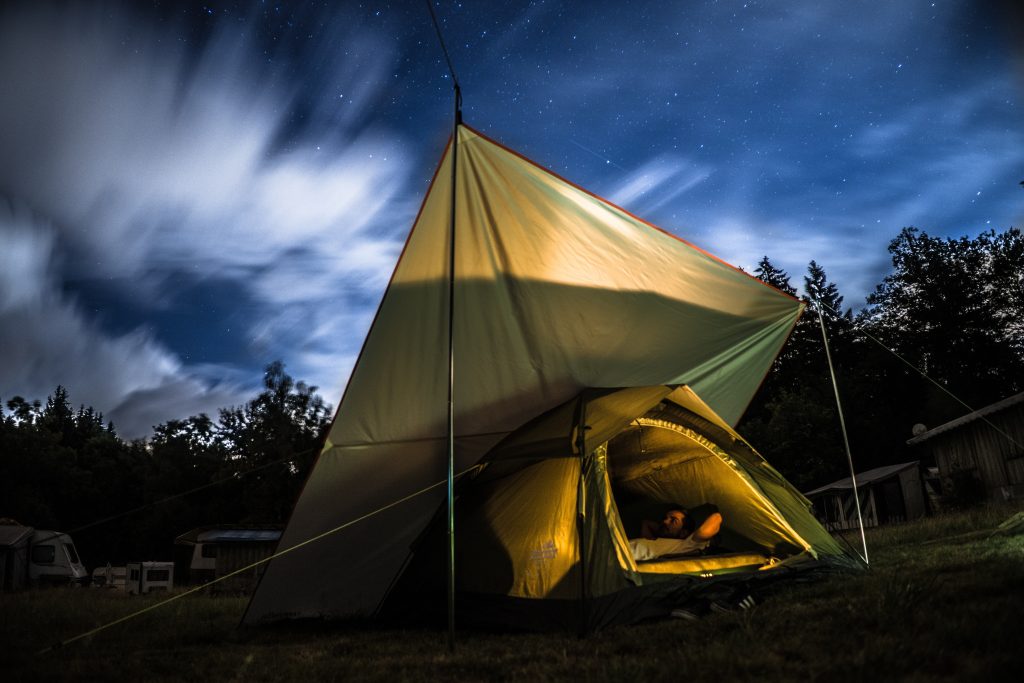
You do not need to heat the whole tent. You only need to create a warmer little bubble around where you sleep. That means filling extra space with gear bags, spare blankets, or soft items around the edges, especially in car camping setups.
This is one reason small tents often feel easier to manage in cold weather. Less dead space. Less cold air floating around like it pays rent.
If you are in a family tent or large cabin-style tent, try creating a tighter sleeping zone instead of using the full interior like a ballroom.
Block drafts without trapping moisture
Yes, drafts matter. No, sealing the tent like a plastic burrito is not the answer.
If you close everything too tightly, condensation builds up fast. Then your tent walls get damp, your gear gets clammy, and suddenly your “warm” tent feels colder.
So block obvious airflow at the bottom edges and near your sleep area, but keep some ventilation open. You want controlled airflow, not a wind tunnel and not a steam room.
This balance is one of the most overlooked winter camping tent tips. Warmth and dryness work together. One without the other rarely lasts.
Build a sleep system that actually keeps you warm
If your goal is to insulate a tent, your sleep system matters just as much as the tent itself.
Prioritize your sleeping pad
A good sleeping pad is not optional in cold weather. It is your insulation from the ground.
REI’s current sleeping pad guide explains that pad R-values are additive when you stack them, and it places cold-weather pads in the R-value 4.0–5.4 range, with 5.5+ for extremely cold conditions. It also recommends pairing a closed-cell foam pad under an insulated air pad for more warmth and moisture protection.
Match your sleeping bag to real conditions
Your sleeping bag needs to match the actual overnight low, not your optimism from the parking lot. If you sleep cold, give yourself extra margin. If you are between sizes or ratings, go warmer.
Add a liner if needed
A sleeping bag liner can add a little warmth, help with comfort, and keep your bag cleaner. It is not magic, but it can be the difference between “annoyingly chilly” and “honestly pretty decent.”
Add soft, simple insulation inside the tent
You do not need to turn your tent into a DIY attic.
Still, a few soft layers inside can help reduce that thin-wall, cold-fabric feeling. Blankets over gear bins, fleece throws near the sleeping area, or reflective layers under pads can all help create a cozier setup.
This is especially useful for car camping, family camping, and camping with kids, where comfort matters almost as much as survival. Maybe more, if we are being honest.
Just keep fabrics away from flames, heaters, and stove setups.
Wear the right layers to bed
A lot of people go to bed dressed either too lightly or like they are preparing for a moon landing.
Aim for dry base layers, warm socks, and a hat or hood if needed. Avoid sweaty clothes from the day. If your clothes are damp, change them. Wet fabric steals warmth faster than most people realize.
Also, do not overstuff yourself with bulky layers if it makes your sleeping bag too tight. Insulation works best when loft can do its job. If everything is compressed, warmth drops.
Eat, hydrate, and warm yourself before sleep
Your body is your main heat source. Feed it.
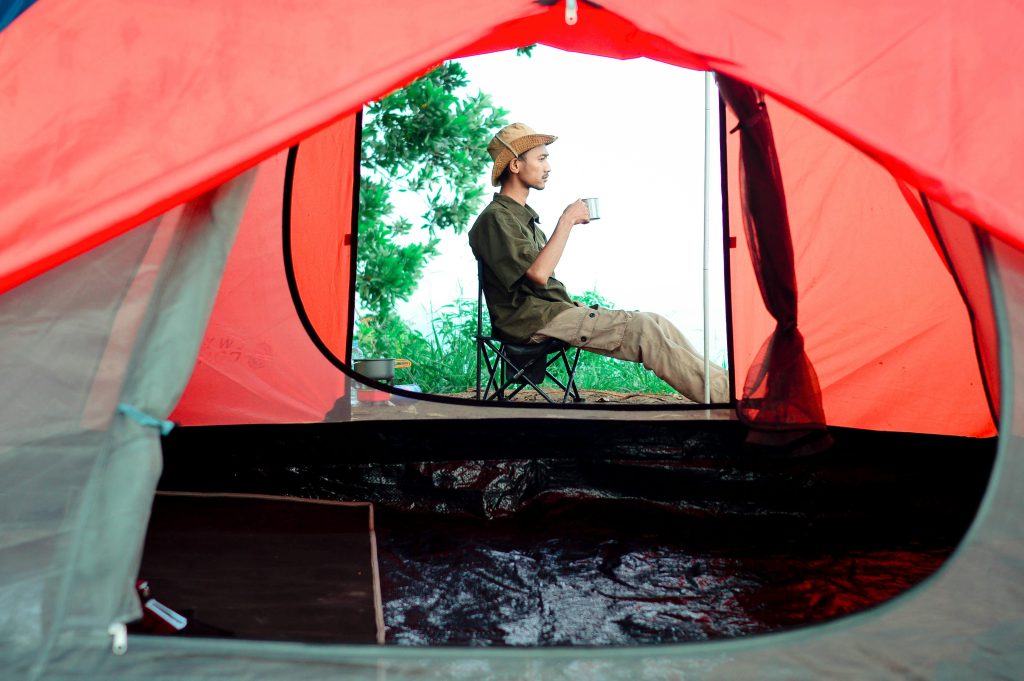
Have a warm meal before bed. Drink enough water. Do a little movement if you are chilled, like a short walk or a few bodyweight squats. You want to get into the bag warm, not crawl in cold and hope the bag performs a miracle.
A hot drink helps too, as long as it is not alcohol-heavy. Alcohol can make you feel warmer at first while actually working against good temperature regulation later.
And while you are dialing in your camp setup, a smarter basecamp helps in other ways too. This guide to the best coolers for camping is useful if you want food storage that makes your campsite more organized and less chaotic before bedtime.
Manage condensation before it robs your warmth
Condensation is sneaky.
You do not always notice it right away, but once the inside of the tent gets damp, the whole space feels colder. Your clothing picks up moisture. Your sleeping bag shell gets clammy. That little chill multiplies.
To reduce condensation in a tent:
- Ventilate, even when it feels counterintuitive
- Avoid bringing wet gear inside when possible
- Do not breathe directly into your sleeping bag
- Wipe down moisture in the morning before it soaks other gear
A dry tent feels warmer, even at the same temperature.
Use extra heat carefully and safely
This part needs the least romance and the most common sense.
Putting a hot water bottle inside your sleeping bag can work really well. Chemical hand warmers can help in gloves or pockets. Safe battery-powered gear can be useful for car camping too.
But never run a stove inside a tent. Be extremely cautious with any propane heater, and only use one if it is specifically designed for tent or shelter use and the manufacturer instructions clearly allow it. Even then, ventilation is non-negotiable.
The CDC says hypothermia is a medical emergency, and both the CDC and Mayo Clinic emphasize removing wet clothing, warming the body gradually, and insulating the person from cold ground.
Warm is the goal. Risky is not.
Common mistakes people make when they insulate a tent
This is where many people waste effort.
Focusing only on the tent walls
The ground is usually the bigger problem.
Using too much loose bedding
Piles of blankets feel comforting, but they can get messy, damp, and hard to manage.
Sealing every vent
That often turns into a condensation problem by midnight.
Wearing damp clothes to bed
One of the fastest ways to feel cold.
Ignoring pad insulation
A weak pad can ruin an otherwise solid cold weather camping setup.
If your setup still feels cold, ask yourself one simple question: “Where am I losing heat first?” Usually, the answer shows you exactly what to fix.
Amazon gear that can help you insulate a tent
Therm-a-Rest Z Lite Sol Camping and Backpacking Sleeping Pad
A classic closed-cell foam pad that is simple, durable, and easy to layer under another mat.
Features: accordion fold design, reflective ThermaCapture surface, heat-trapping dimples, R-value 2.0.
Best for: backpackers, minimalists, and campers who want lightweight tent floor insulation they can stack with another pad.
Drymate Tent Carpet Mat
This one is more about comfort and moisture control inside the tent than hardcore alpine use, but it is very practical.
Features: waterproof backing, carpet-like top surface, added floor comfort, tent-floor protection.
Best for: car campers, family campers, and anyone tired of stepping onto a cold, damp tent floor.
Arcturus Insulated Tarp, Reusable Heavy Duty Thermal Survival Blanket
A rugged thermal layer that can work as a ground barrier, emergency wrap, or added weather shield around camp.
Features: 3-layer design, waterproof and windproof build, reinforced grommets, reflects 90% of body heat.
Best for: campers who want a versatile thermal blanket for camping that can pull double duty.
REDCAMP Large Camping Blanket with Sherpa Lining
A cozy add-on for car camping that can soften a sleep space fast.
Features: 3-layer design, water-resistant backing, sherpa lining, padded construction.
Best for: campers who want quick, easy comfort inside the tent or around camp before bed.
REDCAMP Mummy Fleece Sleeping Bag Liner with Hood
A simple upgrade if your sleeping bag is almost warm enough but not quite.
Features: fleece fabric, hooded mummy shape, full zipper, can also open into a blanket or mat.
Best for: cold sleepers who want a budget-friendly boost without replacing their whole sleeping bag.
What research and experts say about sleeping warmer outside
Two sources are especially useful here.
First, REI’s sleeping pad R-value guide explains something campers often learn the hard way: ground insulation is a huge part of warmth, stacked pad R-values add together, and cold-weather conditions usually call for significantly more insulation than mild three-season trips.
Second, Backpacking Light’s cold-weather tent materials analysis is a helpful expert review because it connects tent comfort to real heat-loss mechanisms. Through field testing, the author found that some tent fabrics can be highly transparent to infrared radiation, which helps explain why certain tents feel colder and damper than expected even after you upgrade other gear. In plain English: tent material and setup do matter, but your sleep system still has to carry a lot of the load.
FAQs
How do you insulate a tent floor for winter camping?
Layer from the ground up: a fitted footprint or tarp under the tent, then a foam mat, tent carpet, or closed-cell pad inside. After that, place your sleeping pad on top. The floor is usually where the worst heat loss happens.
Can you put blankets on the inside of a tent?
Yes, especially for car camping. Blankets can make the tent feel less cold and more comfortable. Just keep them dry, keep some airflow moving, and never place fabric near open flames or unsafe heat sources.
Is it safe to use a heater inside a tent?
Only if the heater is specifically designed for tent or shelter use and you follow the manufacturer’s instructions exactly. Even then, ventilation matters. Never use a camp stove inside a tent, and do not treat “probably fine” as a safety plan.
Does a tarp over a tent make it warmer?
Sometimes a rainfly or tarp can help by blocking wind and reducing moisture exposure, but it does not replace floor insulation or a strong sleep system. Think of it as support, not the main solution.
What is the cheapest way to insulate a tent?
Start with the basics: camp on sheltered ground, add a moisture barrier underneath, use foam or blankets on the floor, sleep in dry layers, and upgrade your sleeping pad before buying expensive extras. Cheap fixes often make the biggest difference first.