Best Reclining Camping Chair: 5 Options for Comfortable Camping
We may earn a commission for purchases made using our links. Please see our disclosure to learn more.
A camping chair can feel perfectly fine for dinner, then surprisingly uncomfortable after an hour of watching the fire. If you want somewhere to stretch out, read, or look at the stars, a reclining camping chair offers more flexibility than a basic folding seat. But the choices are quite different: some adjust with straps, some swing as you lean back, and others raise your legs like a patio lounger.
The right purchase depends on how far you carry it, how much room you have, and whether you prefer sitting upright or fully relaxing. This guide explains the differences, identifies five useful options, and covers the measurements and safety details worth checking before you buy. You’ll be able to narrow the choice without paying for features your campsite doesn’t need.
How a Reclining Camping Chair Differs From a Standard Chair
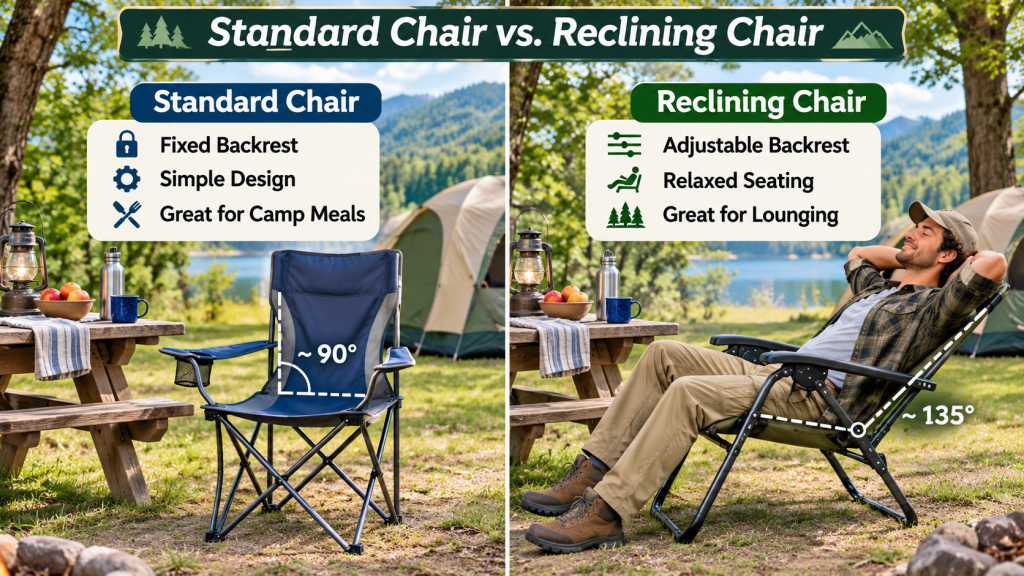
A standard folding chair has a fixed backrest. A recliner changes your sitting angle for reading or resting. Some also support your legs, but footrests are separate features.
A padded, high-back chair may still be fixed. Look for reclining straps, locking hinges, or automatic suspension; photographs can make these designs look deceptively similar. Before buying, decide whether you need raised legs or simply a more relaxed backrest. That determines which chair style makes sense.
Choose the Recliner Style That Fits Your Campsite
Compact pole-frame recliners pack small for travelers. Suspended models hang within freestanding frames, allowing gentle swinging without a tree.
Traditional folding recliners offer several backrest settings. Zero-gravity loungers tilt the seat and legs together, favoring relaxation over portability. That bulk suits drive-up camping better than walk-in sites. Consider assembly, too: quick-opening frames suit brief stops, while segmented pole designs take more handling when packing away.
Look for Recline Controls You Can Actually Use
Strap-operated chairs allow gradual adjustments, while hinged models offer fixed positions. Suspended chairs respond to body weight, so the angle changes as you move.
Check the directions: some chairs require you to stand before adjusting. For picnic-table meals, prioritize a reliable upright setting alongside a lounging position. Watching an official setup demonstration can show where to place your hands and how the mechanism behaves before purchasing.
Check Seat Height, Width, and Back Support
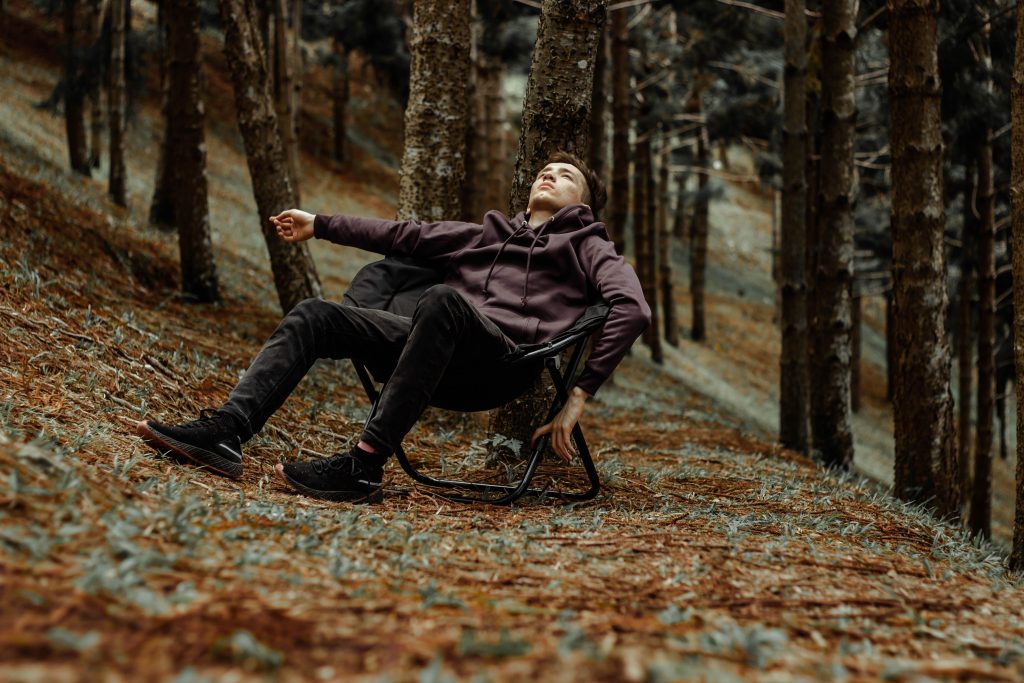
A low sling feels relaxing by the shore but can make standing difficult. Compare published seat heights against a chair you already like.
Check usable seat width, shoulder clearance, and arm placement rather than overall frame width. Tall campers need adequate backrest height; an adjustable pillow cannot fix every short back. For camp dining, also check whether the armrests clear your table edge. Lounging comfort does not automatically mean convenient meals.
Understand Weight Limits Without Guessing
Weight capacity is a manufacturer’s limit, not a comfort score. Check the rating, then consider seat dimensions and recline angle independently.
Never drop into the seat or rock beyond its intended motion. Families should check each model’s rating and instructions before sharing. A generous load rating cannot tell you how the seat supports different body shapes, so use fit measurements alongside it.
Compare Carry Weight With Packed Size
Backpackers should compare both weight and bundle shape. Pole-frame chairs pack compactly; flat-folding beach chairs may carry comfortably but occupy more storage space.
Measure your vehicle’s storage space and check for a carrying case. On longer walks from parking, carrying straps matter more than cup holders. One shoulder strap can feel different from backpack-style straps over distance, particularly when you are already carrying other equipment.
Choose Fabrics and Frames for Your Conditions
Mesh promotes airflow and often dries faster than thick padding. Cushioned seats feel softer but need careful drying after rain.
Aluminum commonly appears in lightweight chairs, while steel suits many large loungers. Inspect stitching, joints, and hardware; grit and repeated folding can affect moving parts. After sandy or coastal trips, follow the manufacturer’s guidance for removing grit and salt residue before storing the chair.

Plan for Stable Ground and Enough Reclining Space
Place every foot on firm, level ground and fully assemble the frame. Narrow feet can sink in sand; slopes can destabilize a recliner.
Allow space for the backrest and footrest. Keep fabric clear of campfire sparks and cooking equipment. On sensitive ground, choose an established sitting area rather than reshaping the site. Recheck stability after adjusting the recline: leaning back changes how your weight is distributed through the chair frame.
Decide Which Extra Features Earn Their Space
Choose extras you will use: a headrest, cup holder, removable footrest, or umbrella for sunny campsites.
Accessories add bulk; umbrellas also require wind awareness. For picnic-table meals, an upright seat matters more than trays or pockets. Small storage pockets keep keys handy, but an attached accessory should never be used beyond its stated weight limit.
Compare Reclining and Rocking Before Buying
Reclining changes your angle; rocking moves you back and forth. Suspended chairs can do both, but many recliners remain still.
The guide to rocking camping chairs explains that movement in more detail. Rockers suit campsite conversation but do not necessarily support your legs or offer deep reclining. A traditional rocker may use curved rails or spring mechanisms, changing how it behaves on the surface beneath it.
Use a Short Buying Checklist Before Checkout
Start with the trip you take most often, not the most luxurious photograph. Check these details against the exact model and color variation you’re considering:
- Use: dining, casual reclining, beach sitting, or extended lounging.
- Fit: seat height, usable width, head support, and stated capacity.
- Transport: chair weight, folded dimensions, and carrying method.
- Mechanism: recline range, locks, setup instructions, and clearances.
- Care: fabric drying, replacement parts, and warranty terms.
Finally, confirm the listing includes the accessories shown. An umbrella, carrying bag, or footrest may belong to a different package. Also confirm whether dimensions include the carrying bag and which features are supplied with the exact selected variation. If several chairs meet your needs, favor the one whose size and adjustment style are easiest to live with on an ordinary weekend.
Recommended Reclining Camping Chair Options
These five chairs serve noticeably different situations. Their trade-offs matter as much as their reclining features, so use the descriptions to identify the right style before comparing current listings.
NEMO Moonlite Reclining Camp Chair
Best for: Campers who want adjustable comfort in a compact package.
The Moonlite uses side straps to move between an upright seat and a more relaxed angle. Its aluminum pole frame, flexible mesh seat, and carrying case make it practical for travel and walk-in camping. It doesn’t provide a full-length leg rest, though, so choose it for versatile sitting rather than stretched-out lounging.
NEMO Stargaze Reclining Camp Chair
Best for: Car campers who enjoy swinging and reclining.
The Stargaze suspends its seat inside an aluminum frame, allowing it to swing and recline as you shift your weight. A padded, adjustable headrest and side holders add convenience for relaxed evenings. Its larger packed bundle and low seating position make it less practical for backpacking or frequent meals at a table.
Sport-Brella 3-Position Recliner Chair with Removable Umbrella and Footrest
Best for: Sunny campsites, beach outings, and relaxed outdoor events.
This folding chair combines three backrest settings with a detachable footrest and adjustable side umbrella. An insulated drink pocket and carrying bag suit leisurely daytime use. The extra attachments add bulk, and the manufacturer’s instructions say to leave the chair before adjusting its backrest, so it requires more deliberate handling than a strap-operated model.
GCI Outdoor Backpack Beach Chair
Best for: Campers who also spend time at beaches and lakesides.
GCI’s low-profile chair offers four backrest positions, padded backpack straps, a head pillow, and a breathable mesh back panel. The shoulder straps make it straightforward to carry across a beach or from a parking area. Its low seat can make standing up harder, and its flat-folded shape is not as compact as a pole-frame backpacking chair.
TIMBER RIDGE Oversized Zero Gravity Chair, 33-Inch Wide, 500-Pound Capacity
Best for: Drive-up camping where room and supported leg lounging come first.
This oversized padded lounger uses a reclining mechanism with a locking system, adjustable headrest, and accessory tray. Its generous width and stated load rating distinguish it from smaller camp seats. The trade-off is substantial size: it makes more sense beside a vehicle or camper than on a hike or a tightly packed trip.
What Official Guidance Says About Safety and Sun Protection
Manufacturer instructions give a useful starting point for safe setup. NEMO’s Moonlite setup instructions advise placing the chair on stable, level ground, fully connecting the poles, and testing the chair before applying full weight. Those checks also make sense when inspecting other portable designs, although each model has its own instructions.
The U.S. Consumer Product Safety Commission’s 2018 Stargaze recall concerned specified older chairs with breakable joint supports. It does not establish that current models are recalled, but it shows why buyers of used equipment should check model details and recall notices.
For sunny campsites, the CDC’s sun-safety guidance recommends shade along with protective clothing and sunscreen. An attached umbrella is helpful but cannot replace broader sun protection. There’s also no sound basis for assuming a reclining chair treats back pain simply because its position feels pleasant.
Frequently Asked Questions About Reclining Camping Chairs
Are reclining camping chairs comfortable for tall adults?
They can be, provided the backrest and head support fit your height. Check the chair’s actual seat dimensions and headrest position rather than relying on an oversized label. A wide seat doesn’t guarantee neck support, and a low sling may feel different from a taller folding chair. Manufacturer measurements are more useful than promotional photos.
Can I use a reclining camping chair on sand?
Yes, some designs are intended for beach use, but stability depends on the ground and the chair’s feet. Place the chair on a firm, level spot, check for sinking, and follow the manufacturer’s instructions. A low beach recliner may be easier to manage near the shore than a heavy, tall lounger with narrow contact points.
Do zero-gravity camping chairs lie completely flat?
Not necessarily. Zero-gravity describes a coordinated reclining position, not a promise that the chair becomes a flat bed. Some models lean far back while keeping the knees elevated. Check the specific recline range and photographs from the side if lying nearly flat is a priority. For overnight sleep, use equipment designed for sleeping instead.
Is a reclining chair worth carrying on a backpacking trip?
Only if its comfort is worth the extra weight and pack space to you. Compact models with pole frames are much easier to consider than full-size padded loungers. Compare total packed weight, including the bag, with your other equipment. For shorter walks to camp, a heavier chair may be acceptable; on long routes, it may not be.
How should I clean and store a reclining camp chair?
Remove loose dirt, follow the fabric manufacturer’s cleaning instructions, and let everything dry completely before storage. Pay attention to hinges, straps, and connection points where grit can collect. Avoid forcing a stiff reclining mechanism, and inspect worn parts before your next trip. Store the folded chair in a dry place, away from prolonged dampness.
Final Recommendation: Find the Recliner That Matches Your Trip
The best reclining camping chair isn’t necessarily the one that leans back the farthest. It is the one that fits your body, travels easily enough for your plans, and stays practical in the setting where you’ll use it. Check seat height, packed dimensions, recline controls, and ground stability before making a choice.
For a balanced, transportable option, the NEMO Moonlite is a sensible place to start. The NEMO Stargaze suits campers who put relaxed swinging ahead of compact packing, while a large zero-gravity lounger makes more sense for vehicle-based trips. If shade or beach access is your priority, consider the specialized folding choices. Buy for your usual campsite, not the occasional perfect afternoon.