How To Store Camping Gear At Home
We may earn a commission for purchases made using our links. Please see our disclosure to learn more.
A camping trip can leave your hallway looking like a crowded equipment store. Damp tents, dusty cookware, scattered tent stakes, and sleeping bags stuffed into tiny sacks are easy to ignore until your next adventure. Learning how to Store Camping Gear properly makes departure easier while protecting expensive equipment.
You don’t need a dedicated gear room or expensive cabinets. A dry spot, a few containers, and an unpacking routine can work almost anywhere. The trick is knowing which items belong in sealed bins and which need space to breathe.
This guide walks through cleaning, sorting, safe storage, small-space solutions, and useful organizers so everything stays easy to find.
Choose a Cool, Dry Place to Store Camping Gear
An indoor closet or temperature-controlled spare room is usually better for delicate equipment than a damp basement or hot attic. Prioritize stable conditions over available square footage. Heat, moisture, and sunlight can damage coatings and insulation.
A garage can work for sturdy bins, chairs, and clean cookware when it stays dry. Keep sleeping bags and inflatable pads indoors if conditions fluctuate. Avoid leaving gear permanently in a car trunk, where temperatures can become extreme.
Sort Everything Before Choosing Containers
Empty your gear bags and arrange equipment by purpose: shelter, sleep, cooking, lighting, clothing, and repair supplies. This reveals duplicates, missing accessories, and dirty equipment.
Check tent poles against their sections, count stakes, and look through first-aid supplies for anything used or expired. Donate, repair, or discard gear you no longer need. Buying bins before sorting often leaves you with awkward sizes or more storage than you actually need.
Keep manuals for specialized equipment in one folder, and photograph unusual connectors so replacements are easier to identify.
Clean and Completely Dry Gear After Each Trip
Start with moisture-prone items. Shake sand from tents, brush dirt off poles, wipe camp chairs, and clean cooking equipment with an appropriate washing method. Let every washed item air-dry before packing it away.
Inspect hidden places such as the underside of a tent footprint, backpack pockets, cooler seals, and rolled-up tarps. Trapped moisture can cause odors and damage.
If rain delayed your unpacking, spread wet gear somewhere ventilated immediately rather than leaving it sealed in the car overnight.
Store Tents Without Crushing the Fabric
Pitch the tent in shade or drape it indoors until every layer is dry. Remove grit from zippers and inspect seams for peeling coatings or damage.
For long-term storage, a roomy cotton or mesh bag is preferable to tightly stuffing the tent into its travel sack. Keep poles alongside it, away from delicate fabric.
If your space allows, store poles partially assembled; otherwise, collapse them from the middle outward to distribute tension along the internal shock cord.
Keep Sleeping Bags Fluffy and Breathable
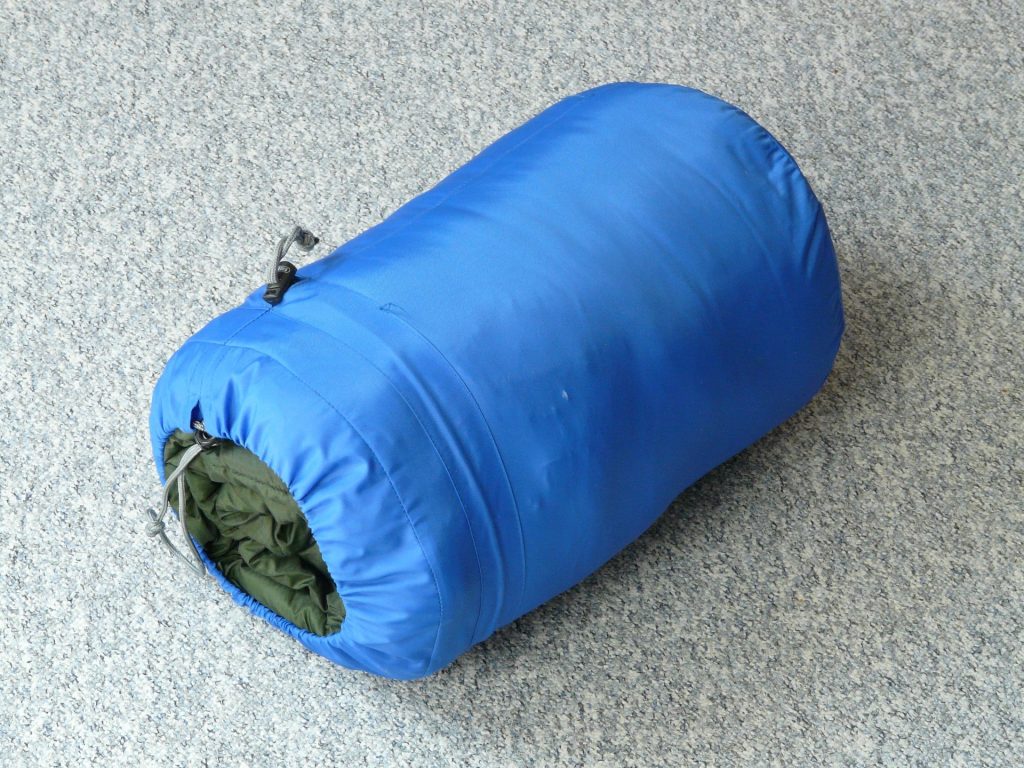
Sleeping bags should not spend months compressed in the sacks used for transport. Down and synthetic insulation need room to retain loft, which helps the bag trap warmth when you use it again. Air the footbox and hood thoroughly.
Place it loosely in an oversized breathable sack or drape it over a wide hanger if the manufacturer permits that approach. Use a closet, not a watertight bag that traps moisture. Keep bulky objects off the insulation.
Protect Sleeping Pads and Air Mattresses
Different pads need different treatment. Closed-cell foam pads can usually be stored rolled or flat without complex precautions. Store self-inflating pads semi-inflated with valves open.
Air pads should be clean, thoroughly dry, and protected from punctures. Hang them loosely or roll them without repeatedly forcing the same hard crease. Never wedge inflatable equipment against exposed tent stakes or tools.
For air mattresses, inspect valve seals and locate your patch kit before packing everything away. A slow leak is easier to find at home than at camp. Follow the manufacturer’s specific storage guidance.
Organize Your Camp Kitchen Separately
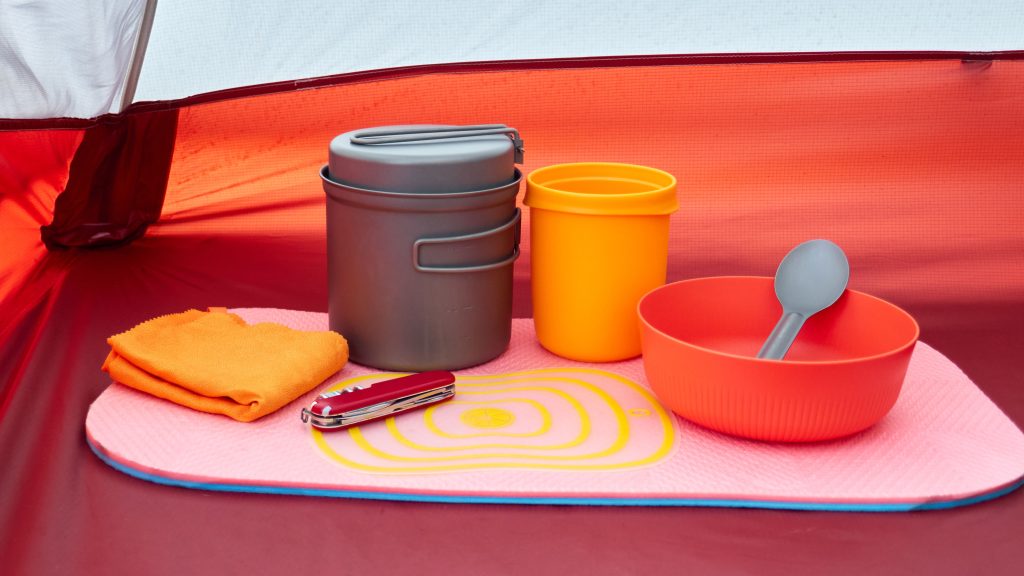
Keep cookware, utensils, and washing supplies in one kitchen bin. Nest pots carefully, use a small pouch for utensils, and wrap sharp edges so they cannot scratch other equipment.
Empty and dry coolers and hydration containers, including lids, seals, and removable parts. Store food elsewhere rather than leaving snacks or crumbs inside the camping kit; residue can attract pests.
Tape an inventory inside the bin to prevent missing essentials.
Store Fuel, Batteries, and Sharp Tools Safely
Fuel requires its own rules, not a corner of your ordinary gear tote. Store propane cylinders upright outdoors, away from heat—not inside garages, basements, sheds, tents, or vehicles. Follow the cylinder manufacturer’s directions and local fire requirements.
Keep knives in protective sheaths and beyond children’s reach. Remove disposable batteries from devices that will sit unused for long periods, and store rechargeables according to manufacturer guidance. Keep fuels and chemicals separate from fabrics and cookware.
Choose Bins, Labels, and Shelving That Fit
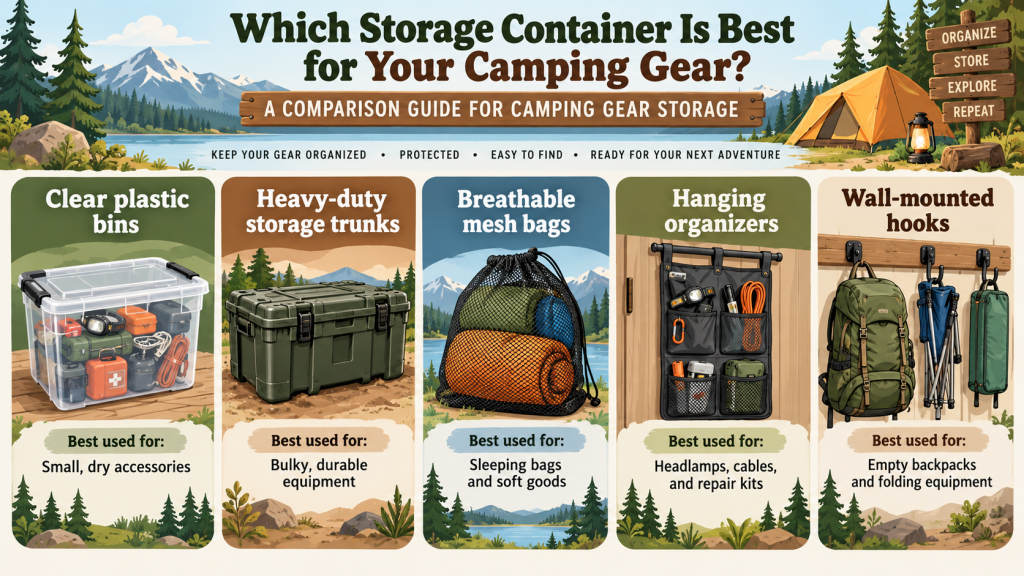
Use rigid, lidded bins for clean, dry hardware such as lanterns, cookware, tent accessories, and repair kits. Clear sides make identification quick; opaque heavy-duty boxes can better conceal contents in shared spaces.
Gasketed lids repel dust but cannot protect already-damp contents.
Label both the front and lid of each container. Place heavier boxes on low shelves, check the shelf’s rated load, and avoid unstable stacks. Measure shelves before purchasing bins.
Make Camping Storage Work in Small Apartments
A single closet can hold an efficient gear system. Try an over-the-door pocket organizer for headlamps, cords, sunscreen containers, and small repair supplies. Reserve high shelves for light accessories.
Use wall-mounted hooks for empty packs and lightweight equipment, provided the hooks and wall anchors are rated for the load. Under-bed storage can suit clean soft goods if the space is dry.
Keep trekking poles in a narrow upright basket so their tips cannot puncture fabrics. Leave a little clearance around breathable bags instead of packing everything so tightly that air cannot circulate.
Create a Ready-to-Go System for Your Next Trip
Give each category a permanent, accessible home. After cleaning, restock matches, first-aid supplies, and other consumables, then add missing items to a shopping list instead of assuming you will remember later.
Before each season, inspect zippers, tent seams, pad valves, and lantern operation. An inventory also tracks loaned gear.
Once your home system is organized, these car camping packing hacks can help you transfer the same categories efficiently into your vehicle.
5 Recommended Products to Store Camping Gear
IRIS USA 6-Pack 31 Qt Storage Bins with Gasket Lids, Clear/Black
Best for: Organizing several categories of small, dry equipment.
The six matching, clear-sided containers have gasket-style lids that help shield contents from everyday dust and moisture exposure. They’re useful for separating cooking accessories, lighting, and repair supplies without building one oversized, heavy box. The limitation is capacity: bulky chairs and large tents will need another home, and damp gear must be dried first.
Plano Sportsman’s Trunk with Wheels
Best for: Bulky, durable camping accessories.
This wheeled storage trunk offers a reinforced lid, latches, and room for items such as folded tarps or camp tools. Wheels make it easier to reposition a loaded trunk in a garage. Its large footprint is less convenient in a narrow apartment closet, and the trunk should not be treated as breathable storage for sleeping bags.
Rubbermaid FastTrack 48-Inch Garage Rail
Best for: Freeing up garage floor space.
The steel wall rail accepts compatible FastTrack hooks and accessories, giving folding chairs, empty backpacks, or other suitable items an accessible hanging spot. It’s expandable as your storage needs change. You must secure it according to the installation instructions; mounting hardware and hooks are sold separately, so the rail alone is not a complete system.
Simple Houseware 24 Pockets Clear Over the Door Shoe Organizer, Gray
Best for: Small apartments and easy-to-lose accessories.
Twenty-four transparent pockets make this organizer handy for dry headlamps, charging cables, repair tape, and other small camping essentials. It hangs over a compatible door, avoiding the need for a separate shelving unit. Check door clearance before installing it, and reserve heavy or sharp tools for sturdier storage rather than overloading the pockets.
Whitmor Mesh Laundry Bag with ID Tag, White
Best for: Loosely storing breathable soft goods.
The polyester mesh bag has a drawstring closure and identification tag, making it useful for clean clothing or a sleeping bag that fits without being compressed. Its open weave encourages airflow and lets you identify soft contents easily. It won’t protect against spills or pests the way a hard container can, so keep it in a dry indoor closet.
What Moisture Research Tells Us About Gear Storage
Moisture control matters more than finding an elaborate storage system. The U.S. Environmental Protection Agency’s guidance on household mold advises keeping indoor relative humidity below 60%, ideally between 30% and 50%, and drying wet materials promptly. This advice addresses indoor moisture generally; it is not a laboratory test of camping storage bins.
For outdoor equipment specifically, REI’s tent storage guidance explains that trapped moisture can encourage mildew and damage polyurethane waterproof coatings.
The practical lesson is to dry fabric thoroughly before using a bin, and to favor a stable indoor location for vulnerable materials. A simple humidity meter can help identify problem areas, but it doesn’t replace inspecting your gear.
Frequently Asked Questions About Storing Camping Gear
Can I store camping gear in the garage year-round?
Yes, for durable, completely dry items if your garage stays reasonably clean and dry. Plastic bins, cookware, and folding furniture are often good candidates. Keep insulated sleeping bags, inflatable pads, and delicate coated fabrics in a climate-stable indoor space when garage temperatures or humidity fluctuate. Never store portable propane cylinders inside the garage.
Should camping gear be stored in airtight containers?
Not everything. Sealed plastic bins are useful for dry cookware, lighting accessories, and other hard goods that need dust protection. Tents, sleeping bags, and some pads are better stored loosely, with enough ventilation to prevent trapped moisture and prolonged compression. Whatever container you choose, dry the equipment first and follow its care label.
How do I prevent mold on stored camping equipment?
Dry everything completely before packing it, including corners, seams, and storage sacks. Keep the storage area ventilated and address any leaks or condensation. If your home feels persistently damp, use a humidity meter and consider dehumidification. Check stored fabric periodically for odors, discoloration, or moisture so you can address problems early.
Is it okay to leave a tent in its original stuff sack?
A stuff sack is convenient for transportation, but a roomy bag is better for long periods between trips. Tight packing can hold moisture against the fabric and keeps it under unnecessary compression. Once your tent is clean and fully dry, move it to a loose cotton or mesh sack in a cool place.
How often should I inspect camping gear in storage?
Check it after every trip and again before your next outing. For gear stored through an entire season, a mid-storage inspection is sensible, especially in humid homes. Look for dampness, corrosion, damaged coatings, missing components, and batteries that need attention. A short checklist keeps your review consistent and helps prevent last-minute surprises.
Final Thoughts on How to Store Camping Gear
The best way to Store Camping Gear at home is to match the storage method to the equipment. Dry everything first, give insulated and coated fabrics breathing room, and keep sturdy accessories organized in labeled containers. Choose a location that stays cool and dry rather than automatically using the closest empty shelf.
For a collection of small supplies, the IRIS USA gasket-lid bins provide a practical sorting system. If garage floor space is the bigger problem, a properly installed Rubbermaid FastTrack rail may be more useful. Neither replaces good maintenance or safe fuel storage.
Start with one clean, designated gear zone and a simple inventory. That modest setup is easier to maintain than an elaborate system you won’t use, and it leaves you ready for the next trip.