Camping Gear List for Beginners: What to Pack
We may earn a commission for purchases made using our links. Please see our disclosure to learn more.
You know that pre-camping moment where you’re standing in your room thinking, “Do I really need three flashlights… or zero?” Yeah. That’s exactly why you want a camping gear list that’s simple, realistic, and built for your kind of trip.
In this guide, you’ll get a practical packing system (not a “bring the whole store” vibe), a beginner-friendly checklist, and the few smart upgrades that make camping feel easier, safer, and honestly… more fun.
Affiliate disclosure: This post may contain affiliate links, which means I may earn a small commission at no extra cost to you.
Start here: build your camping gear list around your trip (not someone else’s)
Before you toss random gear into a bag, ask yourself three quick questions:
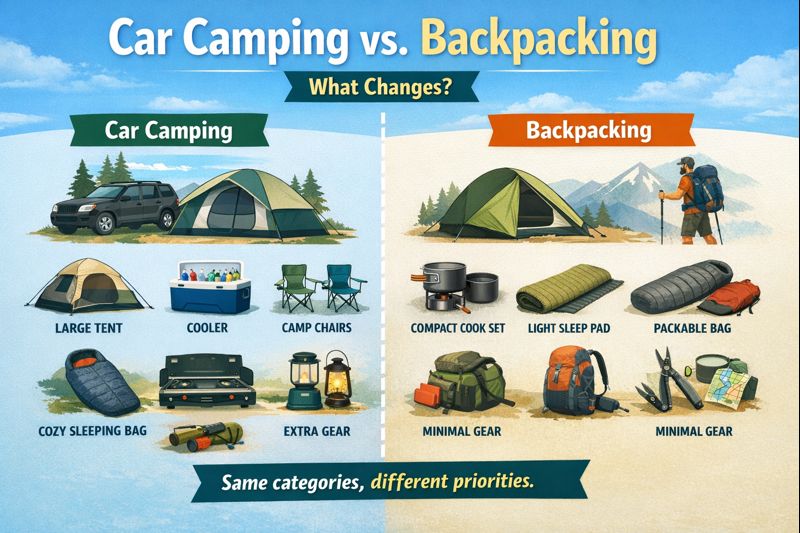
- Are you car camping or backpacking? Car camping = comfort-friendly. Backpacking = weight matters.
- What’s the weather swing? Hot days + cold nights is common. Plan for both.
- What’s your “comfort minimum”? Some people need a proper pillow. Some people can sleep on vibes. Be honest.
Quick analogy: Packing for camping is like packing for a wedding—if you only copy someone else’s outfit, you might show up freezing, overdressed, or missing shoes. Same deal here.
The beginner rule that saves you
If you’re unsure, prioritize: sleep warm + stay dry + drink safe water. Everything else is negotiable.
Camping gear list quick checklist (beginner-friendly)
Here’s the “big picture” camping checklist. We’ll break it down after.
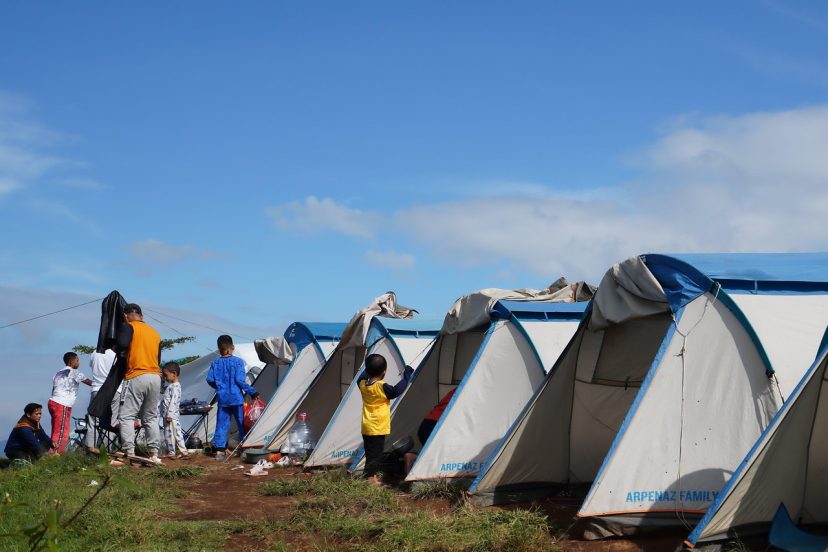
- Shelter: tent/tarp, stakes, guylines, groundsheet
- Sleep: sleeping bag, sleeping pad, pillow (or stuff sack hack)
- Clothes: layers, rain protection, warm socks, hat
- Food: stove or fire plan, fuel, lighter/matches, cookware, utensils
- Water: bottles + treatment (filter/tablets) + extra storage
- Light: headlamp + backup
- Safety: first aid kit, repair kit, whistle
- Navigation: map/offline maps, compass (optional), power bank
- Hygiene: wipes/soap, toothbrush, toilet kit, trash bags
- Extras: camp chair, bug spray, sunscreen, fun stuff
Two versions of the list
- Car camping essentials: add comfort (chairs, bigger cooler, extra layers)
- Backpacking gear list: cut duplicates, go lighter, keep safety items
Shelter essentials (tent, tarp, stakes… the stuff that keeps you dry)
Your shelter is your “home base.” Even if you’re only sleeping in it, it matters.
Tent basics (what beginners actually need)
- Weather-appropriate rainfly
- Enough space for you + your gear (a “2-person tent” is often a comfy 1-person + gear situation)
- Stakes + guylines (wind will humble you)
Groundsheet (quiet hero)
A simple footprint/groundsheet helps protect your tent floor from rocks and moisture.
Tiny tip: Practice setting up your tent once at home. Not because you’re “bad at camping”—because doing it the first time in the dark is a comedy you don’t need.
Sleep system (this is where camping becomes magical… or miserable)
If your sleep is rough, everything feels harder the next day. Your camping equipment list should treat sleep like a priority, not an afterthought.
Sleeping bag: choose warmth realistically
- Check temperature rating (and remember: ratings can be optimistic)
- If you “sleep cold,” size up warmth
Sleeping pad: comfort + insulation
A pad isn’t just softness—it’s insulation from the ground.
Pillow hacks
- Stuff sack + hoodie = legit pillow
- Inflatable pillows are tiny but surprisingly life-improving
Clothing layers that actually work (no fashion show required)
Camping clothing is a system, not an outfit.
The simple layering formula
- Base layer: keeps sweat off you
- Mid layer: warmth (fleece, puffy)
- Outer layer: wind/rain protection
Add-ons you’ll thank yourself for:
- Warm hat (yes, even in “not that cold” places)
- Dry sleep socks (sacred item)
- Rain jacket (even if forecast says “clear”… because forecasts love plot twists)
Footwear + camp shoes (your feet do a lot of emotional labor)
For your essential camping gear, footwear is underrated.
What to pack
- Trail shoes or boots that you’ve already worn in
- Camp sandals/slides (letting your feet breathe feels amazing)
- Extra socks (blisters hate fresh socks)
Quick gut-check: If your shoes are even slightly questionable, don’t “test them” on a trip. Camping is not the time for character development.
Camp kitchen gear (eat well = camp well)
Food is morale. A good camping gear list for beginners makes meals easy, not stressful.
Minimum viable camp kitchen
- Stove (or fire plan) + fuel
- Lighter + backup matches
- Pot/pan OR a simple cook system
- Eating utensil + mug
- Cooler or food storage (based on trip)
Don’t forget the unglamorous basics
- Dish soap + small sponge
- Trash bags
- Paper towels or a small cloth
Water and hydration (drink safe, stay happy)
Water is not the place to wing it.
What to pack
- Water bottles or hydration bladder
- Backup storage (collapsible bottle/jug for car camping)
- Water treatment (filter or tablets)
If you’re pulling water from nature, follow reputable guidance on safe collection and purification methods.
Fire, warmth, and “cozy insurance”
Even if you’re not doing a campfire, you still want warmth tools.
Fire basics (if fires are allowed)
- Lighter + backup
- Firestarter (cotton balls + petroleum jelly works, but store-bought options are neat too)
- Small shovel/trowel (optional but handy)
Safety note: Properly extinguishing matters—drown, stir, and check for heat before you walk away.
Warmth extras
- Hand warmers
- Extra blanket for car camping
- Windproof layer
Light, power, and small electronics (aka: don’t rely on your phone flashlight)
If you’ve ever tried to find a zipper pull in the dark… you already get it.
The simple setup
- Headlamp (hands-free = sanity)
- Small lantern (nice for car camping)
- Power bank + cables
Navigation + communication (even if you’re “just going to the campground”)
Navigation isn’t about being dramatic. It’s about being prepared.
What helps
- Download offline maps
- Know the campground layout
- Share your plan with someone (especially if you’re dispersed camping)
A tiny “just in case” habit
When you arrive, take a photo of:
- Your campsite number
- The nearest restroom/water point
- The map board
It’s boring… and it works.
First aid, repairs, and safety gear (small items, big impact)
This is the part of the camping safety gear list that people skip… until they don’t.
The basics to include
- Bandages + blister care
- Antiseptic wipes
- Pain reliever
- Any personal meds
- Tweezers (splinters + ticks)
Repair mini-kit
- Duct tape (wrap some around a pen)
- Multi-tool
- Extra tent stakes
- Patch kit (if you have inflatables)
Hygiene, waste, and Leave No Trace (the “respect the outdoors” section)
Clean camping isn’t fancy—it’s just considerate.
Hygiene essentials
- Biodegradable soap (used responsibly)
- Toothbrush + toothpaste
- Wet wipes (pack out!)
- Quick-dry towel
Bathroom kit
- Toilet paper (even if there’s a restroom—trust me)
- Hand sanitizer
- Small trash bag
Product Section: 5 beginner-friendly picks worth buying
Below are five well-reviewed, beginner-friendly items that cover the biggest needs in a camping gear list—shelter, water, light, cooking, and sleep.
1) Coleman Sundome Dark Room Tent (4/6 Person)
Short take: A beginner-friendly tent with extra light-blocking comfort—nice if you want better sleep at dawn.
Features: Dark Room tech, weather protection, roomy interior.
Use case: Great for car campers, families, or anyone who values a calmer sleep setup.
2) LifeStraw Personal Water Filter
Short take: A simple, trusted way to filter water when you’re hiking, traveling, or building a lightweight kit.
Features: Portable, easy to use, widely adopted.
Use case: Ideal for beginners who want a straightforward backup water option in their pack.
3) Black Diamond Spot 400 Headlamp
Short take: Reliable hands-free light that makes camp life easier (and safer).
Features: Bright output, multiple modes, comfortable headband.
Use case: Perfect for beginners, night bathroom runs, cooking after sunset, or early starts.
4) Jetboil Flash Java Kit Camping and Backpacking Stove Cooking System
Short take: Fast boiling and a tidy setup—great if you want hot coffee/tea or quick meals without fuss.
Features: Efficient heat, integrated system, travel-friendly design.
Use case: Ideal for coffee lovers, quick breakfasts, and anyone who hates complicated cooking setups.
5) Coleman Brazos Adult Cool-Weather Sleeping Bag
Short take: A practical sleeping bag option for casual campers who want warmth without overthinking it.
Features: Cozy design, beginner-friendly, popular choice.
Use case: Great for weekend trips, car camping, and first-time campers building a complete kit.
Want a fun “food upgrade” once your basics are covered? Add a Dutch oven night to your trip—these dutch oven recipes for camping are the kind of meals that make everyone wander over like, “Okay… who’s cooking that?” 😄
Research-backed: why the “boring” items on your camping gear list matter
Here’s the part that makes you feel like a responsible outdoors adult (even if you still forget the can opener).
Warmth + dry layers aren’t just comfort—they’re safety
Cold sneaks up fast outdoors, especially when you’re wet or the wind picks up. The Wilderness Medical Society’s guidance on accidental hypothermia emphasizes prevention and field management—meaning: insulating layers and staying dry aren’t “extra,” they’re smart. If you like seeing the clinical side, here’s the expert guideline in camping gear checklist context for cold exposure.
Bug protection is real risk management (especially in tick areas)
Permethrin-treated clothing has been studied as a practical way to reduce tick bites. One controlled study found people wearing permethrin-treated outfits received 3.36× fewer tick bites than untreated clothing. Here’s the paper with the findings in camping gear list planning for tick bite prevention.
And if you want a “why care?” stat: researchers estimated about 476,000 Lyme disease diagnoses annually in the U.S. during 2010–2018 (published 2021).
FAQ — camping gear list questions people actually ask
What should be on a camping gear list for beginners?
Focus on the basics: shelter, sleep system, water, food setup, light, and first aid. Add comfort items after those are covered.
How do I pack camping gear without forgetting things?
Use a master checklist, then create a “trip-specific” mini list based on weather and camping style (car vs backpacking). Pack the night before and do a final 5-minute check in the morning.
What’s the difference between a camping packing list and a backpacking gear list?
A camping packing list can include comfort items (chair, bigger stove, cooler). A backpacking gear list prioritizes weight, multi-use items, and compact gear.
Do I really need water filtration if I bring bottled water?
For a short, car-camping weekend, maybe not. But a filter/tablets are a smart backup—especially if plans change, you run low, or you hike away from camp.
What are the most commonly forgotten camping essentials?
Headlamp batteries, lighter/matches, trash bags, warm sleep socks, and a small repair item (like duct tape). Also: a can opener—legendary mistake.
Conclusion (you’ve got this)
A solid camping gear list isn’t about being “perfect.” It’s about giving yourself a calm, capable baseline—so your trip feels like a reset, not a survival show.
Start with the basics, keep it simple, and let your kit evolve with each trip. And hey—if you forget something small, it’s not failure. It’s just your future “camping story” loading.