Car Camping Gear Must-Haves for Weekend Trips
We may earn a commission for purchases made using our links. Please see our disclosure to learn more.
You know that moment when you pull into the campsite feeling so proud… and then you realize you can’t find your headlamp, your snacks are floating around the trunk, and your “pillow” is a hoodie? Yeah. That’s exactly why car camping gear matters.
The goal isn’t to pack your entire house. It’s to pack the right things so your weekend feels easy: you sleep well, eat well, and don’t spend half the trip hunting for stuff like a raccoon with anxiety.
Affiliate note: This post may include affiliate links, which means I may earn a small commission at no extra cost to you.
Car camping gear: the comfort vs. chaos equation
Here’s the secret: car camping isn’t hard. It’s just unforgiving when you skip the basics.
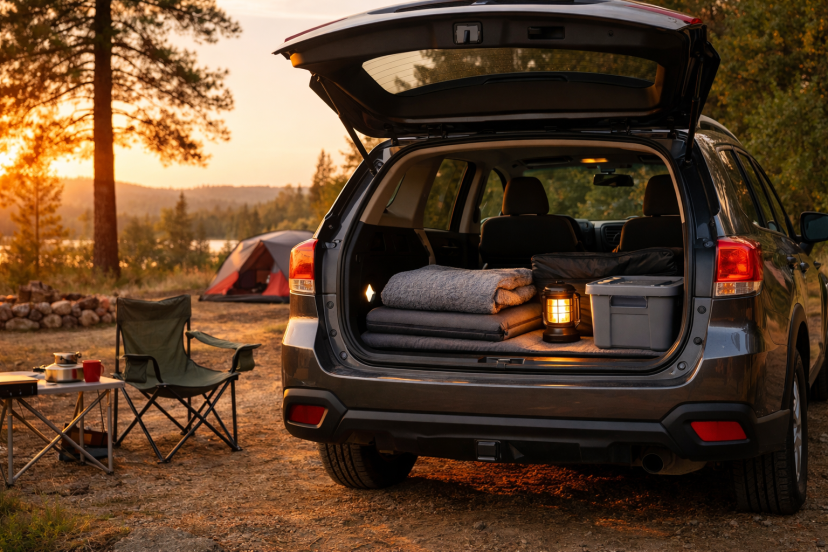
Think of your car camping gear like a tiny “mobile apartment”:
- Bedroom: sleep system, warmth, airflow
- Kitchen: stove, water, cleanup
- Hallway closet: organization and weather stuff
- Safety kit: the “I hope I don’t need this” bag
And if you’re wondering whether camping is still “a thing,” outdoor participation in the U.S. hit 175.8 million people in 2023 (57.3% of Americans age 6+). So yes—lots of people are out there… also forgetting their can openers.
Your mini goal for this trip
If you do nothing else: prioritize sleep + light + water. Everything gets easier after that.
Your car is the first piece of gear
Before you buy anything, do the quick stuff that prevents the annoying stuff.
Five-minute car check
- Tire pressure (including the spare if you have one)
- Wipers + washer fluid (dusty roads are windshield crime)
- Battery health (especially if you’ll charge devices)
- Trunk layout (you want a “flat-ish” sleep zone if sleeping inside)
- Emergency basics (triangle, basic tools, etc.)
A small car can still camp well
I’ve seen people car camp in everything from a tiny hatchback to a full SUV. The difference isn’t the car. It’s how you organize your gear and how honest you are about comfort.
Sleep setup: the one thing you’ll never regret packing
If your sleep is bad, your whole trip becomes “surviving outdoors” instead of “enjoying outdoors.”
Your sleep setup is basically:
- something soft
- something warm
- something that doesn’t make you wake up damp
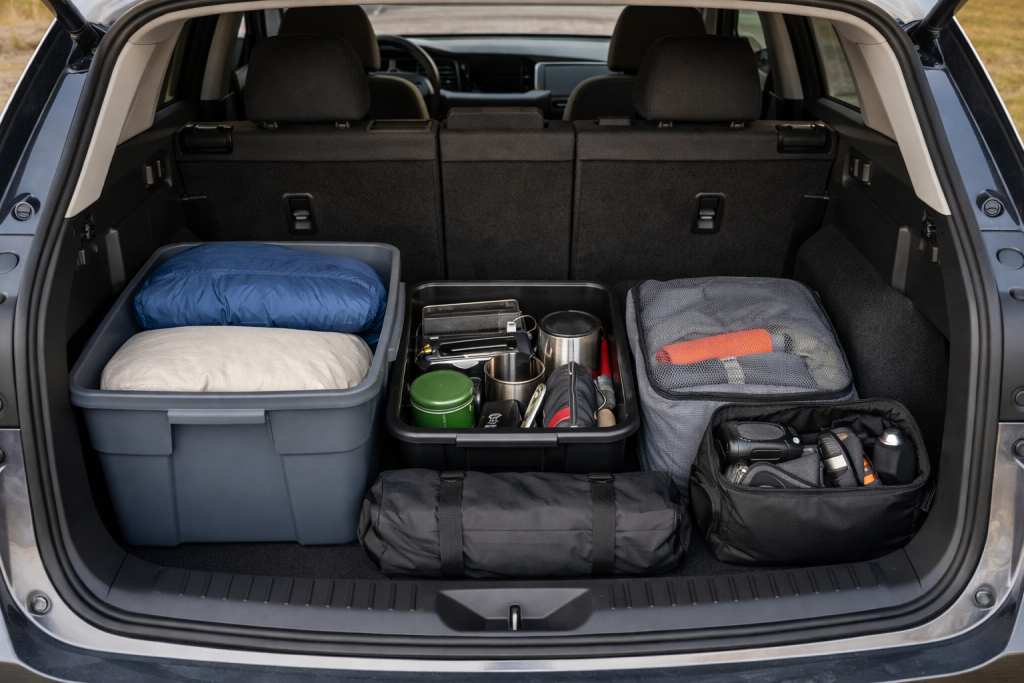
The best sleep system is a “stack”
- Base: mattress/pad (even a basic one is a huge upgrade)
- Warm layer: sleeping bag or blanket system
- Comfort layer: real pillow (or a camping pillow that doesn’t feel like a bag of chips)
Real talk: air mattresses can be tricky
They’re comfy—until they’re cold or slowly deflate. If you use one, bring a backup layer (like a thick blanket) between you and the mattress.
Warmth + airflow: don’t wake up sweaty or shivering
Cars are little temperature traps. If it’s cold, they get cold fast. If it’s humid, condensation shows up like it pays rent.
Warmth without overpacking
- Dress in layers, not one giant jacket
- Keep dry socks as a “sleep-only” item
- Use a hat at night (seriously—tiny item, big warmth)
Airflow: the most underrated “gear”
Crack windows slightly (with rain guards if you have them) and keep a small airflow plan. It reduces that sticky “everything is damp” feeling.
And quick safety note: carbon monoxide (CO) is a real risk with fuel-burning devices. The CDC warns that CO can build up from things like vehicle exhaust and that even small leaks can cause dangerous exposure.
So: don’t run the car for heat while you sleep, and never use a stove/heater inside the vehicle.
Power + lighting: small choices, big mood
The fastest way to ruin camp vibes is fumbling in the dark like you’re reenacting a horror movie.
A simple lighting setup
- Headlamp (hands-free is king)
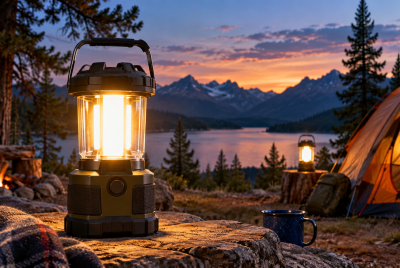
- Lantern (area light for food + hanging out)
- Backup (even a cheap flashlight works)
Power that doesn’t drain your car battery
If you’re charging phones, running a fan, or powering a small cooler, a portable power station can be a stress-reducer—especially for families, remote workers, or anyone who needs CPAP support.
Camp kitchen basics: simple meals taste better outside
You don’t need a five-course menu. You need a setup that makes food feel easy.
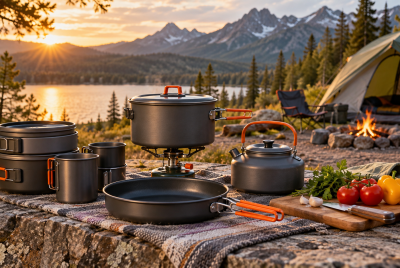
The “no drama” kitchen kit
- Stove + fuel
- Lighter/matches (backup, always)
- Pot or pan that fits your stove
- Cutting board + knife
- Cooler (or at least a plan for perishables)
Food idea that works for almost everyone
Do “build-your-own” meals:
- tacos, rice bowls, wraps, noodle cups with add-ins
It’s flexible for picky eaters, different cultural comfort foods, and dietary needs without turning you into a campsite short-order cook.
Water, cleanup, and staying “comfortably human”
Being thirsty or sticky makes everything feel harder than it is.
Easy water system
- One big container for drinking + washing
- One smaller bottle for walking around
- A way to pour without chaos (spigot > splash)
Cleanup that stays manageable
- Biodegradable soap (used responsibly)
- A small wash bin or collapsible bucket
- Paper towels or quick-dry towel
- Trash bags (plural—because “wet trash bag” is a villain)
If you keep your cleanup simple, you’ll actually do it… which is the whole point.
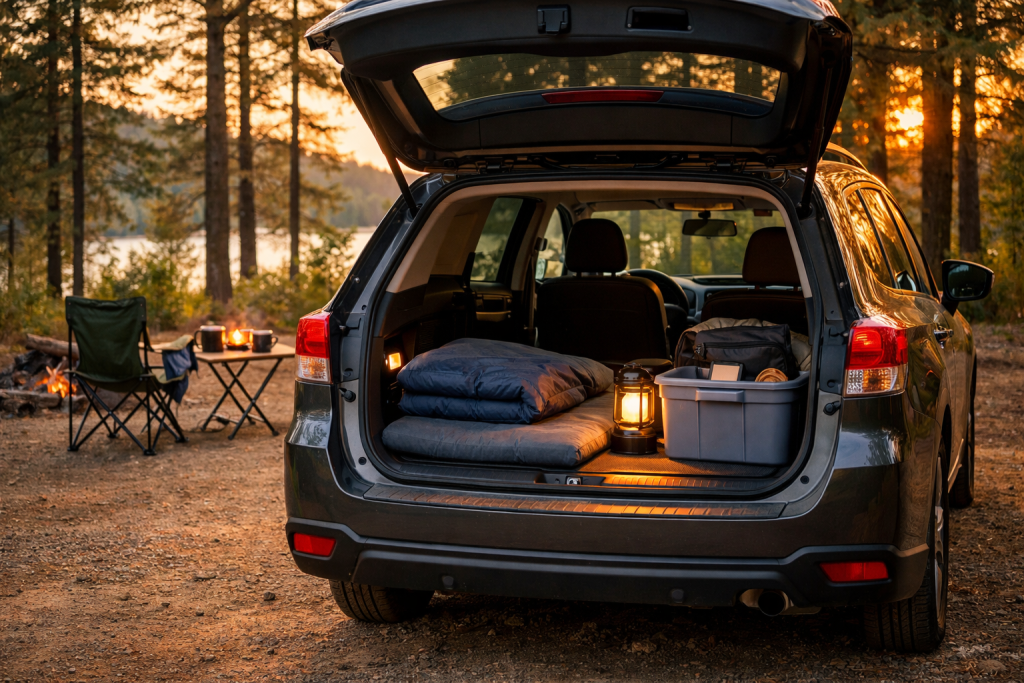
Organization: the zones method for zero digging
This is the “why didn’t I do this earlier?” trick.
Create 4 zones
- Sleep zone (bedding, pajamas, pillow)
- Kitchen zone (stove, food bin, utensils)
- Clothes zone (layers, rain, spare socks)
- Grab zone (headlamp, chargers, keys, wipes)
Use bins, tote bags, even pillowcases—whatever. The goal is: you can find things in the dark, half-asleep, without unloading the car like it’s a moving day.
Truck camping: when you want more space
If you’ve ever wished you could sit up, stretch out, or keep more gear without playing trunk Tetris… truck camping starts to make a lot of sense.
A pickup setup can give you:
- a flatter sleep surface
- better separation between “sleep stuff” and “everything else”
- more flexibility for weather
If you want a deeper walkthrough of setup ideas and what to bring, check out this guide on truck camping setups and tips.
5 Amazon car camping gear upgrades worth it
Below are five car camping gear picks that match strong buyer intent (clear use case, low hassle), with solid ratings and plenty of reviews.
1) Jackery Explorer 300 Portable Power Station (293Wh)
Short take: A compact power station for charging devices and running small essentials.
Features
- 293Wh capacity, multiple ports for phones/laptops
- Lightweight for its class
- Good for short trips and emergency backup
Best for
- You want reliable charging without draining your car battery
- Couples/families with multiple devices
- Anyone who values quiet power
2) Coleman Classic 1-Burner Butane Stove (with carry case)
Short take: A simple, portable stove that’s beginner-friendly and fast to deploy.
Features
- Push-button ignition
- Adjustable heat control
- Packs neatly with a case
Best for
- Weekend trips, quick meals, coffee/tea
- Small groups who don’t want a bulky two-burner
- “I just want it to work” campers
3) LE Rechargeable LED Lantern (1000 lumen)
Short take: Bright lantern + power bank function. Great for cooking, bathrooms, and late-night “where is the tent stake?” moments.
Features
- Up to 1000 lumens
- Multiple modes
- Rechargeable + can charge a phone in a pinch
Best for
- Families (area light makes camp calmer)
- People who hate using headlamps for everything
- Anyone who wants one light that does a lot
4) Reliance Products Aqua-Tainer 7 Gallon Rigid Water Container
Short take: A classic water container for camp kitchens—simple, sturdy, and practical.
Features
- 7-gallon capacity
- Spigot for easy dispensing
- Good for both drinking water and washing up
Best for
- Any car camper who’s tired of tiny bottles
- Longer weekends and group trips
- Cleanup without constant refills
5) NOCO Boost HD GB70 (2000A) Jump Starter
Short take: A “sleep better at night” item. Jump starters are the gear you’re grateful for once—then you never camp without one again.
Features
- Powerful jump-start capability
- Portable and rechargeable
- Useful as a power bank and emergency light tool
Best for
- Cold-weather trips
- Older car batteries (or lots of device charging)
- Anyone who wants a real backup plan
Research-backed: what experts say about sleep and safety
This is the part where we get a little nerdy—but in a useful way.
1) Poor sleep isn’t “just annoying”—temperature really affects it
A 2024 systematic review found that higher temperatures are generally linked to worse sleep quality and quantity, especially during hotter periods and in vulnerable groups.
Translation: if your car turns into a warm, humid box at night, you’re not being dramatic—your body is genuinely struggling to sleep well.
Practical takeaway for your car camping gear list
- Add airflow tools (window cracking strategy, small fan if you have power)
- Don’t skip breathable bedding
- Pick campsites with shade when heat is a concern
2) Carbon monoxide safety is non-negotiable
The CDC emphasizes that carbon monoxide is an odorless gas that can poison people quickly, and it highlights vehicle exhaust and poorly vented sources as key risks.
Translation: “I’ll just run the car for a bit” can turn dangerous if conditions trap exhaust or if there’s an exhaust leak.
Practical takeaway
- Don’t idle the car for heat while sleeping
- Don’t use camp stoves/heaters inside your vehicle
- If you feel dizzy, nauseated, or suddenly exhausted, get fresh air fast
FAQs
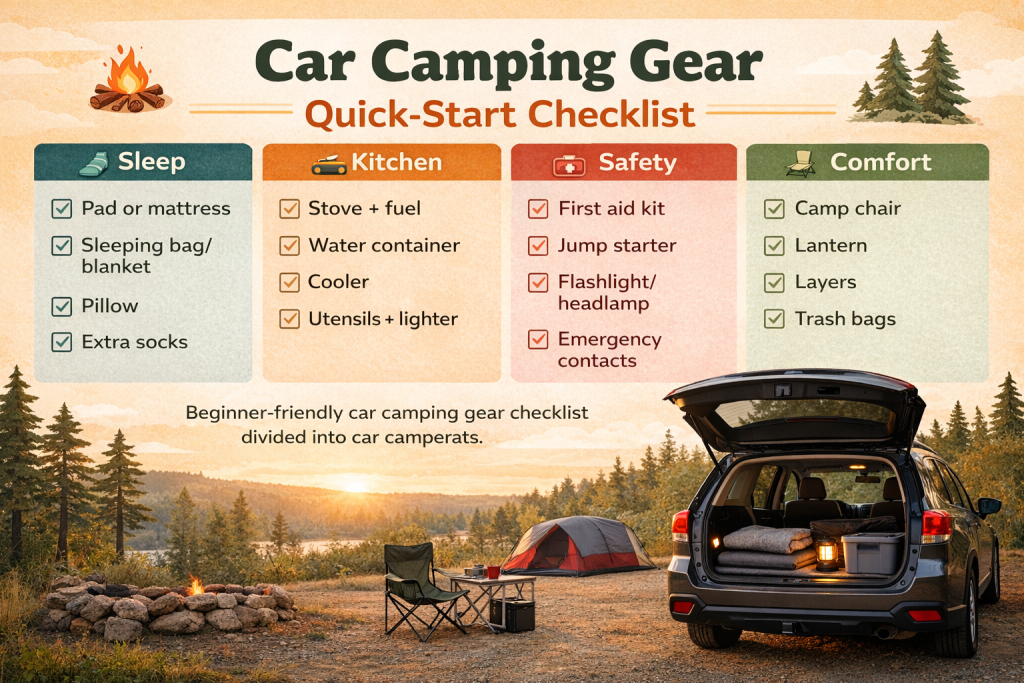
What car camping gear do I need for a first weekend trip?
Start with sleep (pad + warm layers), light (headlamp/lantern), water, and a simple cooking setup. Add organization bins so you can find everything fast.
What’s the best car camping gear for sleeping comfortably?
A supportive pad/mattress plus warm bedding and a real pillow. Add airflow planning to reduce condensation and keep your temperature steady.
How can I keep my car camping setup tidy and easy to find things in?
Use the “zones” method: sleep, kitchen, clothes, grab-items. Store each zone in its own bin or bag so you’re not rummaging every time you need one thing.
Is it safe to sleep in my car while camping?
It can be, if you manage ventilation and avoid carbon monoxide risks. Don’t idle the car for heat while you sleep, and don’t use fuel-burning gear inside the vehicle.
What car camping gear helps most in hot weather?
Airflow tools (cracked windows, fan if you have power), breathable bedding, shade planning, and plenty of water. Heat can seriously disrupt sleep quality.
If you want, I can also turn this into a printable car camping gear checklist (beginner, family, or cold-weather version) so you can pack in 10 minutes and stop overthinking it.